
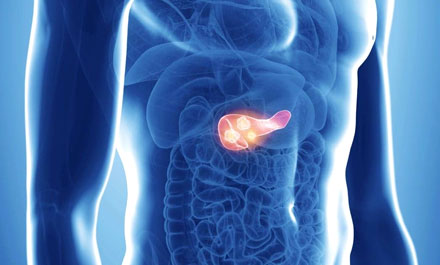
Pancreatic cancer is one of the most challenging cancers to diagnose because it often causes few symptoms in its early stages. However, advances in imaging, surgical techniques, and multidisciplinary cancer care have significantly improved treatment outcomes. Surgery remains the most effective treatment for patients whose cancer is confined to the pancreas and can be safely removed.
Dr. Ramkishan Nag, an experienced Surgical Oncologist, specializes in advanced pancreatic cancer surgery and works closely with medical and radiation oncologists to develop personalized treatment plans for every patient.
Pancreatic cancer develops when abnormal cells grow uncontrollably within the pancreas. The pancreas plays an important role in digestion and blood sugar regulation. The most common type is pancreatic adenocarcinoma, which usually begins in the ducts of the pancreas.
Symptoms often appear only after the disease has progressed. Common warning signs include:
Surgery is recommended when imaging studies show that the cancer is localized and can be completely removed. Patients with resectable or selected borderline resectable pancreatic cancers are often considered for surgery after careful evaluation.
Recovery after pancreatic surgery varies depending on the procedure performed. Most patients stay in the hospital for several days and gradually return to normal activities over the following weeks. Nutritional guidance, pain management, regular follow-up, and additional treatments such as chemotherapy may be recommended as part of comprehensive cancer care.
Dr. Ramkishan Nag provides comprehensive care for pancreatic cancers using modern surgical techniques and evidence-based treatment protocols. His multidisciplinary approach focuses on achieving complete cancer removal whenever possible while ensuring patient safety, faster recovery, and improved quality of life.
Surgery offers the best chance of cure for patients with localized pancreatic cancer. Early diagnosis, timely evaluation by an experienced Surgical Oncologist, and a personalized treatment plan are essential for achieving the best possible outcomes. If you experience persistent symptoms or have been diagnosed with pancreatic cancer, consult a specialist to determine whether surgery is the right option for you.
No. Surgery is recommended only when the cancer is localized and can be safely removed. Your doctor will evaluate imaging studies and overall health before recommending surgery.
The Whipple procedure is a complex operation performed for cancers located in the head of the pancreas. It involves removing the affected part of the pancreas along with nearby structures before reconstructing the digestive tract.
In many cases, chemotherapy is recommended after surgery to reduce the risk of recurrence. Your treatment plan will depend on the stage and pathology results.
Recovery varies depending on the type of surgery and the patient's overall health. Most patients gradually return to their daily activities over several weeks with appropriate medical guidance.
Dr. Ramkishan Nag is an experienced Surgical Oncologist with expertise in advanced pancreatic cancer surgery and multidisciplinary cancer care. He provides personalized treatment plans using modern surgical techniques to achieve the best possible outcomes for his patients.