
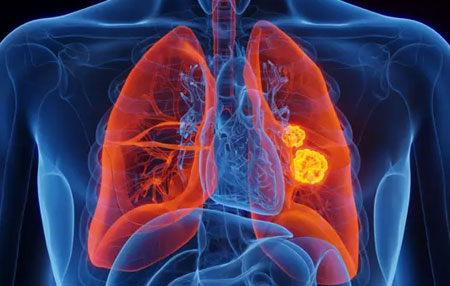
Thoracic cancers affect the organs within the chest, including the lungs, esophagus, mediastinum, and chest wall. Early diagnosis and timely surgical treatment play a vital role in improving survival and quality of life. Dr. Ramkishan Nag specializes in advanced thoracic cancer surgery, providing personalized treatment plans based on the type, stage, and extent of the disease.
Surgical treatment may include procedures for lung cancer, esophageal cancer, mediastinal tumors, chest wall tumors, and selected metastatic lesions. Whenever appropriate, minimally invasive thoracoscopic (VATS) and laparoscopic techniques are utilized to reduce surgical trauma, minimize pain, shorten hospital stays, and support faster recovery.
With extensive expertise in surgical oncology and multidisciplinary cancer care, Dr. Ramkishan Nag is committed to delivering safe, evidence-based treatment using modern surgical techniques. Every patient receives compassionate, individualized care focused on complete tumor removal, preserving healthy tissue whenever possible, and achieving the best possible long-term outcomes.
Modern thoracic cancer surgery aims to completely remove cancer while preserving lung function whenever possible, ensuring safer recovery and improved long-term outcomes.
Thoracic cancer surgery is performed for cancers affecting the lungs, esophagus, mediastinum, chest wall, and selected tumors within the chest cavity.
Yes. Many patients are suitable candidates for Video-Assisted Thoracoscopic Surgery (VATS), which involves smaller incisions, less pain, reduced blood loss, and quicker recovery compared to traditional open surgery.
Recovery depends on the type of surgery and the patient's overall health. Patients undergoing minimally invasive procedures generally experience shorter hospital stays and faster return to daily activities.
Depending on the cancer type and stage, chemotherapy, immunotherapy, targeted therapy, or radiation therapy may be recommended after surgery as part of a comprehensive treatment plan.
Dr. Ramkishan Nag is an experienced Surgical Oncologist with expertise in managing complex thoracic cancers. He combines advanced surgical techniques, minimally invasive approaches, and multidisciplinary cancer care to provide personalized treatment with the best possible clinical outcomes.