
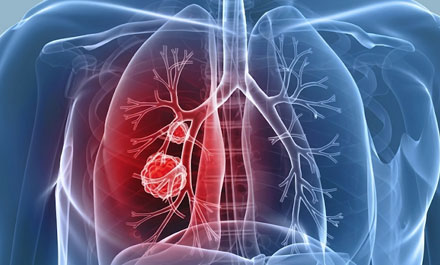
Thoracic cancers affect structures within the chest, including the lungs, oesophagus, and other tissues of the thoracic cavity. Lung cancer is one of the most common thoracic cancers, while other cancers may also develop in the chest region. The appropriate treatment depends on the type, location, stage, and overall condition of the patient.
Surgery can play an important role in the treatment of selected thoracic cancers, particularly when the tumour is localized and can be safely removed. Depending on the individual case, surgery may be combined with chemotherapy, radiation therapy, immunotherapy, targeted therapy, or other cancer treatments.
Dr. Ramkishan Nag, an experienced Surgical Oncologist, provides personalized surgical oncology care for patients requiring treatment for thoracic cancers. Treatment planning is based on the patient's diagnosis, cancer stage, tumour characteristics, overall health, and individual treatment goals.
Thoracic cancer refers to cancers that develop within the chest or thoracic region. These may involve the lungs, oesophagus, mediastinal structures, chest wall, or other tissues within the thorax.
Lung cancer is a major type of thoracic cancer. Other thoracic malignancies may have different symptoms, treatment approaches, and surgical requirements. Accurate diagnosis and staging are therefore essential before deciding on treatment.
Symptoms can vary depending on the location and type of thoracic cancer. Some common symptoms that may require medical evaluation include:
These symptoms can occur due to several conditions other than cancer. However, persistent or unexplained symptoms should be evaluated by a qualified medical professional.
Accurate diagnosis and staging are important for determining whether surgery is appropriate and for planning the overall treatment strategy. Depending on the suspected cancer, investigations may include:
These investigations help determine the type, size, location, and extent of the tumour and whether it has spread to lymph nodes or other parts of the body.
Surgery may be considered when the thoracic tumour can be safely removed and the patient is medically fit to undergo the procedure. The decision depends on multiple factors, including:
In some patients, treatment such as chemotherapy, radiation therapy, immunotherapy, or targeted therapy may be recommended before surgery. The sequence of treatment is decided according to the individual cancer and multidisciplinary treatment plan.
The type of surgery depends on the location and extent of the cancer. Surgical procedures may include:
The goal of surgery is to achieve complete removal of the cancer with appropriate margins while preserving as much healthy tissue and organ function as possible.
Selected thoracic cancer procedures may be performed using minimally invasive surgical techniques. These approaches use smaller incisions compared with traditional open surgery and may help reduce postoperative discomfort and support faster recovery in suitable patients.
Depending on the tumour and patient's condition, minimally invasive approaches such as video-assisted thoracoscopic surgery (VATS) may be considered. The choice of surgical approach is based on the safest and most effective treatment for each individual patient.
Lymph nodes within the chest may be evaluated or removed during surgery to determine whether the cancer has spread. This information can help establish the stage of the disease and guide additional treatment after surgery.
Thoracic cancer treatment often requires collaboration between multiple specialists. A multidisciplinary cancer team may include a Surgical Oncologist, Medical Oncologist, Radiation Oncologist, Pulmonologist, Radiologist, Pathologist, and other specialists.
The treatment plan may involve surgery along with chemotherapy, radiation therapy, immunotherapy, targeted therapy, or other treatments depending on the cancer type and stage.
Multidisciplinary planning helps ensure that treatment is coordinated according to the patient's specific disease characteristics and overall health.
Recovery following thoracic surgery depends on the type and complexity of the procedure and the patient's general health. Hospital monitoring, pain management, breathing exercises, physiotherapy, nutritional support, and gradual return to daily activities may form part of postoperative care.
Patients are often encouraged to gradually increase their physical activity as advised by their healthcare team. Follow-up appointments are important for reviewing pathology results, monitoring recovery, and planning any additional cancer treatment when required.
Dr. Ramkishan Nag provides personalized surgical oncology care for patients with thoracic cancers. His approach involves careful evaluation of the cancer, appropriate surgical planning, and coordination with other cancer specialists whenever required.
Treatment is planned according to the type, location, stage, and extent of the cancer, with an emphasis on appropriate cancer control, patient safety, recovery, and quality of life.
Thoracic cancers require accurate diagnosis, appropriate staging, and individualized treatment planning. For selected patients, surgery can play an important role in removing localized cancer and achieving better disease control.
Advances in minimally invasive thoracic surgery and multidisciplinary cancer care have expanded treatment options for many patients. If you or a loved one has been diagnosed with a thoracic cancer, timely consultation with an experienced Surgical Oncologist can help you understand the available treatment and surgical options.
Thoracic cancer surgery involves surgically removing cancerous tumours located within the chest. Depending on the type and location of the cancer, procedures may involve removal of part or all of a lung, lymph node surgery, oesophageal surgery, chest wall surgery, or other specialized procedures.
Surgery may be recommended when the tumour can be safely removed and the patient is medically fit for the procedure. The decision depends on the cancer type, stage, tumour location, lymph node involvement, spread of disease, and overall health of the patient.
Depending on the tumour and stage, lung cancer surgery may include wedge resection, segmentectomy, lobectomy, or pneumonectomy in selected cases. Lymph node evaluation or dissection may also be performed as part of the surgical procedure.
Selected patients may be suitable for minimally invasive thoracic surgery, including video-assisted thoracoscopic surgery (VATS). These techniques use smaller incisions and may offer reduced postoperative discomfort and faster recovery when medically appropriate.
Dr. Ramkishan Nag provides personalized surgical oncology care for thoracic cancers, with treatment planning based on the cancer type, stage, location, and overall health of the patient. His approach focuses on appropriate cancer surgery, patient safety, modern surgical techniques, multidisciplinary care, and recovery.