
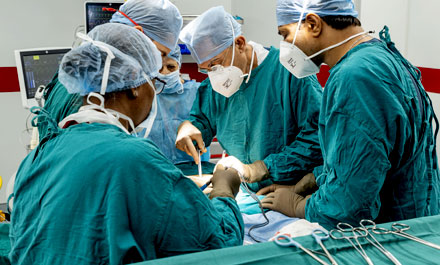
Head and neck cancers are a group of cancers that develop in areas such as the mouth, tongue, throat, voice box, salivary glands, and other structures of the head and neck region. These cancers can affect important functions such as speaking, swallowing, breathing, and eating.
Surgery is an important treatment option for many head and neck cancers, particularly when the tumour can be safely removed. Advances in surgical oncology, reconstructive techniques, and multidisciplinary cancer care have made it possible to treat selected cancers while focusing on preserving function and improving quality of life.
Dr. Ramkishan Nag, a Surgical Oncologist, provides personalized surgical care for patients with head and neck cancers. Treatment planning considers the cancer type, location, stage, overall health, and individual needs of each patient.
Head and neck cancer refers to cancers that develop in different structures of the head and neck region. Many of these cancers begin in the squamous cells lining the mouth, throat, and voice box.
The treatment approach varies depending on the exact location of the cancer, its stage, and whether it has spread to nearby lymph nodes or other parts of the body.
Symptoms of head and neck cancer depend on the affected area. Some warning signs may appear gradually and can initially resemble common infections or other non-cancerous conditions.
Any persistent mouth ulcer, unexplained neck swelling, or difficulty swallowing should be evaluated by a healthcare professional. Early evaluation can help identify the underlying cause and guide timely treatment.
Several factors can increase the risk of developing head and neck cancers. In India, tobacco consumption, including smoking and smokeless tobacco, is an important risk factor for many oral and throat cancers.
Not everyone with these risk factors develops cancer, and some patients may develop head and neck cancer without any identifiable risk factor.
Accurate diagnosis and staging are essential before planning treatment. The evaluation begins with a detailed medical history and examination of the affected area.
Depending on the suspected cancer and clinical findings, investigations may include:
These investigations help identify the cancer type, determine its extent, assess lymph node involvement, and guide the selection of treatment.
Surgery may be recommended when the cancer can be safely removed and the patient is medically fit for the procedure. The role of surgery depends on the tumour location, stage, and expected impact on important functions such as speech and swallowing.
In some early-stage cancers, surgery may be the primary treatment. In other cases, surgery may be combined with radiation therapy, chemotherapy, or other treatments.
Different surgical procedures may be required depending on the location and extent of the cancer. The aim is to remove the cancer with appropriate margins while preserving essential functions whenever possible.
The exact procedure is selected according to the patient's diagnosis, tumour characteristics, and treatment goals.
Oral cancer may affect the tongue, gums, inner cheek, floor of the mouth, or other parts of the oral cavity. Surgery often involves removing the cancerous tissue along with an appropriate margin of surrounding healthy tissue.
Depending on the size and location of the tumour, additional procedures such as neck dissection or reconstruction may be necessary. Treatment planning also considers the patient's ability to speak, chew, and swallow after surgery.
Head and neck cancers can spread to lymph nodes located in the neck. Neck dissection is a surgical procedure used to remove selected lymph nodes and surrounding tissue when required for cancer treatment.
The extent of neck dissection depends on the cancer type, primary tumour location, stage, and evidence of lymph node involvement.
Some head and neck cancer surgeries require removal of tissue from areas important for speech, swallowing, chewing, or facial appearance. Reconstructive surgery may help restore the affected structures and support functional recovery.
In selected patients, microvascular reconstruction may be performed using tissue transferred from another part of the body. The transferred tissue is connected to blood vessels in the head or neck using specialized surgical techniques.
Reconstruction is planned according to the size and location of the surgical defect, the patient's condition, and the expected functional requirements.
Not every head and neck cancer requires surgery. Depending on the cancer location and stage, radiation therapy, chemotherapy, or combined chemoradiation may be recommended instead of surgery.
Certain throat and voice box cancers may be treated using organ-preserving approaches when appropriate. The treatment decision is made after considering cancer control, potential side effects, and long-term function.
When surgery is appropriate, timely treatment may provide several important benefits.
Head and neck cancer treatment often requires collaboration between several medical specialists. A multidisciplinary team may include Surgical Oncologists, Head and Neck Surgeons, Medical Oncologists, Radiation Oncologists, Radiologists, Pathologists, Reconstructive Surgeons, Speech Therapists, and Nutrition Specialists.
Depending on the stage and characteristics of the cancer, radiation therapy, chemotherapy, immunotherapy, or other treatments may be recommended before or after surgery.
Coordinated treatment planning helps balance effective cancer treatment with the preservation of important functions and quality of life.
Recovery depends on the type and complexity of the surgery performed. Some patients may require a short hospital stay, while others undergoing major cancer surgery or reconstruction may need longer postoperative monitoring.
Postoperative care may include pain management, wound care, nutritional support, speech and swallowing rehabilitation, physiotherapy, and regular follow-up appointments.
Patients may require additional treatment after surgery based on the final pathology report and multidisciplinary assessment. Rehabilitation and follow-up care are important for supporting recovery and monitoring long-term health.
Dr. Ramkishan Nag provides personalized surgical oncology care for patients with head and neck cancers. His approach involves careful evaluation of the disease, individualized surgical planning, and coordination with other cancer specialists when required.
Treatment planning focuses on appropriate cancer removal, patient safety, functional preservation, reconstruction when indicated, and postoperative recovery. Each treatment plan is developed according to the cancer type, stage, location, and overall health of the patient.
Head and neck cancers require timely diagnosis, accurate staging, and carefully planned treatment. Surgery can play an important role in removing cancer and achieving disease control in appropriately selected patients.
Modern surgical techniques, reconstructive procedures, and multidisciplinary cancer care can help address both cancer treatment and functional recovery. If you or a loved one has been diagnosed with head and neck cancer, consultation with an experienced Surgical Oncologist can help you understand the available treatment options and determine an appropriate treatment plan.
Common warning signs include a persistent mouth ulcer, unexplained neck swelling, difficulty swallowing, voice changes, persistent sore throat, white or red patches in the mouth, and unexplained bleeding. These symptoms may have other causes, but persistent symptoms should be evaluated by a healthcare professional.
Surgery may be recommended when the cancer can be safely removed and the patient is medically fit for the procedure. The decision depends on the cancer type, stage, tumour location, lymph node involvement, and expected impact on functions such as speaking and swallowing.
Surgical procedures may include oral cancer surgery, tongue cancer surgery, removal of selected throat or salivary gland tumours, neck dissection, jaw resection when required, and reconstructive or microvascular surgery. The procedure depends on the location and extent of the cancer.
Some head and neck cancer surgeries may temporarily or permanently affect speech, chewing, or swallowing, depending on the structures involved. Reconstructive surgery, speech therapy, swallowing rehabilitation, and nutritional support may help patients recover or adapt after treatment.
Dr. Ramkishan Nag provides personalized surgical oncology care for head and neck cancers. His approach focuses on careful cancer assessment, appropriate surgical planning, multidisciplinary treatment, functional preservation, and postoperative recovery according to each patient's individual condition.