
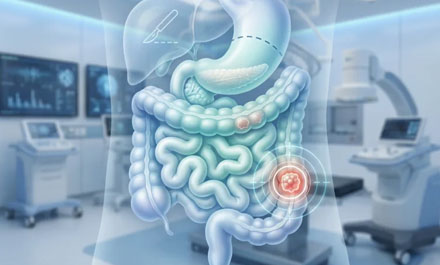
Colorectal cancer is one of the most common cancers affecting both men and women. It develops in the colon or rectum and often begins as small, non-cancerous polyps that may gradually become cancerous over time. Fortunately, when detected early, colorectal cancer is highly treatable. With advances in surgical oncology, minimally invasive techniques, and multidisciplinary cancer care, patients today have better treatment outcomes and improved quality of life.
Dr. Ramkishan Nag, an experienced Surgical Oncologist, specializes in the comprehensive surgical management of colorectal cancers using evidence-based treatment protocols and modern surgical techniques tailored to every patient's condition.
Colorectal cancer begins in the inner lining of the colon or rectum. It usually develops slowly over several years, often starting as a benign polyp. Regular screening helps identify these polyps before they become cancerous, making early detection one of the most effective ways to prevent colorectal cancer.
Symptoms may vary depending on the location and stage of the disease. Common warning signs include:
If any of these symptoms persist for more than a few weeks, it is important to consult a surgical oncologist for further evaluation.
Accurate diagnosis is essential for planning the most effective treatment. Your doctor may recommend:
These investigations help determine the stage of cancer and guide personalized treatment planning.
Surgery remains the primary treatment for most colorectal cancers. The objective is to completely remove the cancer along with nearby lymph nodes while preserving bowel function whenever possible.
Whenever suitable, minimally invasive techniques are preferred as they offer less pain, smaller incisions, quicker recovery, and shorter hospital stays.
Recovery depends on the type of surgery performed and the patient's overall health. Most patients are encouraged to start walking soon after surgery, gradually return to a normal diet, and follow a structured rehabilitation plan. Regular follow-up visits help monitor recovery and detect any recurrence early.
Dr. Ramkishan Nag provides comprehensive colorectal cancer care with a patient-centered approach. His expertise in advanced laparoscopic and robotic cancer surgery allows patients to benefit from modern surgical techniques combined with compassionate, personalized treatment planning.
Colorectal cancer is highly treatable when diagnosed early. Recognizing the symptoms, undergoing timely screening, and receiving expert surgical care can make a significant difference in treatment outcomes. If you or a loved one is experiencing persistent bowel-related symptoms, consult an experienced Surgical Oncologist without delay. Early diagnosis truly saves lives.
Early symptoms may include blood in the stool, persistent changes in bowel habits, abdominal pain, unexplained weight loss, fatigue, constipation, diarrhea, or a feeling of incomplete bowel emptying. If these symptoms persist, consult a Surgical Oncologist promptly.
Diagnosis typically involves a colonoscopy with biopsy, imaging tests such as CT or MRI scans, blood investigations, and histopathological examination. These tests help determine the stage of cancer and guide the most appropriate treatment plan.
Yes. Surgery is the primary treatment for most colorectal cancers. Depending on the stage of the disease, surgery may be combined with chemotherapy, targeted therapy, or radiation therapy to achieve the best possible outcomes.
Yes. Many patients are suitable candidates for minimally invasive laparoscopic or robotic colorectal surgery. These advanced techniques offer smaller incisions, reduced pain, shorter hospital stays, quicker recovery, and excellent surgical precision.
Dr. Ramkishan Nag is an experienced Surgical Oncologist specializing in colorectal cancer surgery, advanced laparoscopic and robotic procedures, and personalized multidisciplinary cancer care. He is committed to providing evidence-based treatment with a focus on excellent oncological outcomes and faster patient recovery.