
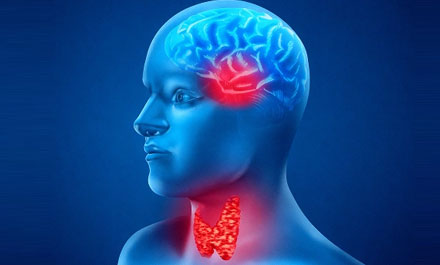
Head and neck cancers include cancers of the mouth, tongue, throat, voice box (larynx), nose, sinuses, salivary glands, and other nearby structures. These cancers often develop gradually, and many of the early symptoms can be mistaken for common infections or minor health problems. Ignoring these warning signs can delay diagnosis and make treatment more challenging. Fortunately, when detected early, head and neck cancers are highly treatable.
Dr. Ramkishan Nag, an experienced Surgical Oncologist, specializes in the diagnosis and surgical management of head and neck cancers using advanced surgical techniques and a multidisciplinary approach to provide personalized cancer care.
The symptoms of head and neck cancer depend on the location of the tumor. Some of the most common warning signs include:
If any of these symptoms persist for more than two weeks, it is important to seek medical evaluation as early diagnosis significantly improves treatment outcomes.
Several risk factors are associated with head and neck cancers, including:
Accurate diagnosis helps determine the stage of cancer and the most appropriate treatment plan. Your doctor may recommend:
Treatment depends on the location, stage, and type of cancer. A personalized treatment plan may include:
A multidisciplinary team approach ensures that every patient receives comprehensive treatment focused on cancer control while preserving speech, swallowing, and appearance whenever possible.
Dr. Ramkishan Nag is an experienced Surgical Oncologist with expertise in advanced head and neck cancer surgery, minimally invasive procedures, and reconstructive techniques. He provides individualized treatment plans using evidence-based protocols with a strong focus on achieving excellent oncological outcomes while preserving function and appearance whenever possible.
Head and neck cancers often begin with subtle symptoms that should never be ignored. Persistent mouth ulcers, neck lumps, difficulty swallowing, or voice changes deserve prompt medical attention. Early diagnosis and timely treatment can greatly improve the chances of successful recovery. If you notice any persistent symptoms, consult an experienced Surgical Oncologist for a thorough evaluation and personalized treatment plan.
A persistent mouth ulcer, sore throat, neck lump, or hoarseness lasting more than two weeks are among the earliest warning signs and should be evaluated by a specialist.
People who smoke, chew tobacco, consume excessive alcohol, have HPV infection, or maintain poor oral hygiene are at increased risk of developing head and neck cancers.
Yes. Early-stage head and neck cancers have a much higher chance of successful treatment with surgery, radiation therapy, or a combination of treatments.
Yes. Selected patients may benefit from robotic or minimally invasive surgery, which offers greater precision, smaller incisions, faster recovery, and improved functional outcomes.
Dr. Ramkishan Nag is an experienced Surgical Oncologist specializing in advanced head and neck cancer surgery, reconstructive procedures, and multidisciplinary cancer care. He provides personalized treatment plans focused on achieving the best oncological and functional outcomes.