
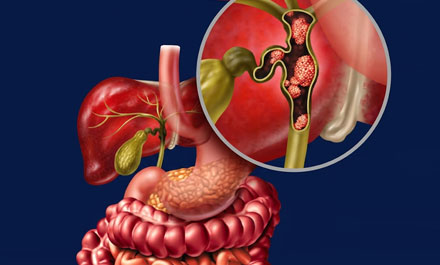
Gastrointestinal and hepatobiliary cancers affect the digestive system and organs such as the stomach, intestine, liver, gallbladder, bile ducts, and pancreas. Depending on the type and stage of cancer, surgery may play an important role in removing the tumor and controlling the disease. Early evaluation and appropriate treatment planning are essential for achieving the best possible outcomes.
Dr. Ramkishan Nag, an experienced Surgical Oncologist, specializes in advanced gastrointestinal and hepatobiliary cancer surgery, offering personalized treatment plans based on the location, stage, and overall condition of each patient.
Gastrointestinal cancers can develop in organs including the esophagus, stomach, small intestine, colon, and rectum. Hepatobiliary cancers involve the liver, gallbladder, and bile ducts. These cancers may require surgery alone or a combination of surgery, chemotherapy, radiation therapy, or other cancer treatments depending on the individual case.
Surgery is generally considered when the cancer can be safely removed and the patient is fit enough to undergo the procedure. The decision depends on several important factors, including:
Different surgical procedures may be recommended depending on the organ affected and the extent of the disease.
Depending on the type and location of cancer, surgery may be performed using an open approach or minimally invasive techniques such as laparoscopic or robotic surgery. When appropriate, minimally invasive surgery can offer smaller incisions, reduced postoperative pain, shorter hospital stays, and faster recovery.
The choice of surgical technique is carefully determined based on the patient's condition, tumor characteristics, and the surgeon's assessment of the safest and most effective approach.
Gastrointestinal and hepatobiliary cancers often require treatment from multiple specialists. Surgical oncologists may work closely with medical oncologists, radiation oncologists, radiologists, pathologists, gastroenterologists, and other specialists to develop a comprehensive treatment plan.
In some patients, chemotherapy or other treatment may be recommended before surgery to reduce the tumor size or control the disease. In other cases, additional treatment may be required after surgery based on the final pathology report.
Recovery depends on the type and complexity of surgery performed. Patients may require hospital monitoring, pain management, nutritional support, wound care, and gradual return to normal activities. Follow-up appointments are important to monitor recovery and plan any additional cancer treatment.
Dr. Ramkishan Nag provides personalized surgical oncology care for gastrointestinal and hepatobiliary cancers. His expertise in advanced cancer surgery and minimally invasive techniques allows patients to receive modern treatment focused on effective cancer control, safe surgery, recovery, and quality of life.
Surgery can play a crucial role in the treatment of gastrointestinal and hepatobiliary cancers when the disease is considered surgically treatable. Early diagnosis, accurate staging, careful patient selection, and multidisciplinary treatment planning help determine the most appropriate approach. If you or a loved one has been diagnosed with a gastrointestinal or hepatobiliary cancer, timely consultation with an experienced Surgical Oncologist can help you understand the available treatment options.
Surgery may be recommended when the gastrointestinal cancer can be safely removed and the patient is medically fit for surgery. The decision depends on the cancer type, stage, tumor location, and whether the disease has spread.
Surgical treatment may be used for cancers of the stomach, esophagus, colon, rectum, small intestine, liver, gallbladder, bile ducts, and pancreas, depending on the individual patient's condition.
Yes. Selected patients may be suitable for laparoscopic or robotic cancer surgery. These minimally invasive approaches can provide smaller incisions, reduced pain, shorter hospital stays, and faster recovery when medically appropriate.
Some patients may require chemotherapy or other cancer treatments before or after surgery. The treatment plan depends on the cancer type, stage, pathology results, and overall treatment goals.
Dr. Ramkishan Nag is an experienced Surgical Oncologist with expertise in gastrointestinal and hepatobiliary cancer surgery, advanced minimally invasive procedures, and personalized multidisciplinary cancer care. His approach focuses on effective cancer treatment, patient safety, recovery, and quality of life.