
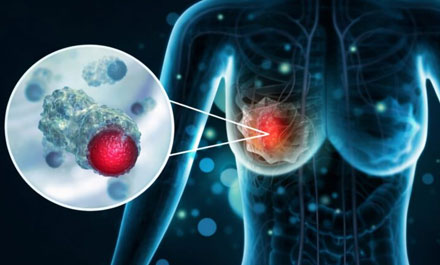
Breast cancer is one of the most common cancers affecting women worldwide. While it can occur at any age, early detection significantly increases the chances of successful treatment. Many women may not experience pain or obvious symptoms in the early stages, making regular breast awareness and screening extremely important. Understanding the early signs of breast cancer can help women seek medical attention before the disease progresses.
Dr. Ramkishan Nag, an experienced Surgical Oncologist, provides comprehensive evaluation and advanced surgical management for breast cancer, ensuring personalized treatment based on each patient's condition.
Although symptoms vary from person to person, some of the most common early warning signs include:
Any new or unusual breast change should be evaluated by a qualified healthcare professional without delay.
While breast cancer can affect anyone, certain factors may increase the risk:
If breast cancer is suspected, your doctor may recommend several diagnostic tests to confirm the diagnosis and determine the stage of the disease.
Treatment depends on the stage and type of breast cancer. A personalized treatment plan may include:
Modern breast cancer treatment often involves a multidisciplinary approach to provide the best possible outcomes while preserving quality of life.
Although breast cancer cannot always be prevented, healthy lifestyle choices and regular screening can significantly reduce the risk and improve early detection.
Dr. Ramkishan Nag is an experienced Surgical Oncologist specializing in advanced breast cancer surgery. He offers comprehensive diagnosis, breast conservation techniques, minimally invasive surgery whenever appropriate, and multidisciplinary cancer care focused on achieving excellent oncological and cosmetic outcomes.
Early detection remains one of the most powerful tools in the fight against breast cancer. Recognizing the warning signs, undergoing regular screening, and seeking prompt medical evaluation can make a significant difference in treatment success. If you notice any unusual changes in your breasts, do not ignore them. Early consultation with an experienced Surgical Oncologist can lead to timely diagnosis and effective treatment.
The earliest sign is often a painless lump in the breast or underarm. However, changes in breast shape, skin, or nipple should also be evaluated promptly.
No. Many breast lumps are benign. However, every new lump should be examined by a healthcare professional to determine its cause.
Screening recommendations vary based on age and individual risk factors. Women should discuss the appropriate screening schedule with their doctor.
Yes. Early-stage breast cancer has an excellent prognosis, and timely treatment significantly improves survival and long-term outcomes.
Dr. Ramkishan Nag provides expert, patient-centered breast cancer care using advanced surgical techniques, personalized treatment planning, and a multidisciplinary approach to achieve the best possible outcomes.