
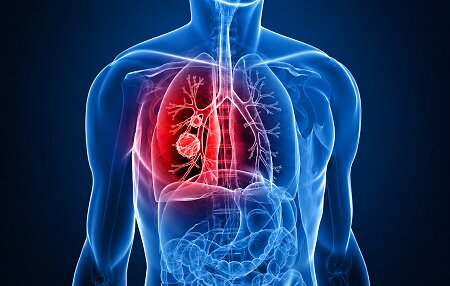
Choosing the Best Lung Cancer Surgeon in Borivali is an important step for individuals diagnosed with lung cancer who may require surgical treatment. Dr. Ramkishan Nag is a qualified Surgical Oncologist with MBBS, MS, and MCh (Surgical Oncology), along with advanced training from Tata Memorial Hospital. He provides comprehensive evaluation and individualized surgical planning for patients with primary and selected secondary lung cancers, ensuring every treatment decision is based on clinical evidence and the patient's overall condition.
Lung cancer surgery is often recommended when the disease can be effectively managed through surgical removal of the tumour. The decision to operate depends on several factors, including the type of lung cancer, tumour size, location, stage of disease, lung function, and overall health. Every patient undergoes a detailed assessment before surgery is considered as part of a multidisciplinary cancer treatment plan.
Dr. Ramkishan Nag focuses on precision, safety, and personalized cancer care. Working alongside specialists in medical oncology, radiation oncology, radiology, pathology, pulmonology, and anaesthesia, he develops individualized treatment strategies that aim to achieve optimal oncological outcomes while preserving lung function whenever possible.
Lung cancer surgery involves removing the cancerous tumour along with surrounding tissue when appropriate. Depending on the diagnosis and stage of disease, surgery may involve removing a small portion of the lung, an entire lobe, or, in selected situations, a larger section of lung tissue. Every surgical plan is carefully individualized after reviewing imaging studies, biopsy findings, pulmonary function tests, and the patient's overall medical condition.
Surgical treatment may be considered for early-stage non-small cell lung cancer and selected patients with more advanced disease as part of combined treatment involving chemotherapy, immunotherapy, or radiation therapy. The objective is to achieve complete tumour removal while maintaining the highest possible level of postoperative lung function and quality of life.
Surgical treatment remains one of the most effective treatment options for appropriately selected patients with lung cancer. When performed after careful evaluation and accurate staging, surgery aims to completely remove the tumour while preserving as much healthy lung tissue as possible. Every treatment recommendation is individualized after considering imaging findings, biopsy results, pulmonary reserve, and the patient's overall health status.
Advances in surgical oncology, anaesthesia, perioperative care, and minimally invasive techniques have improved safety and recovery for many patients. The primary objective is not only tumour removal but also achieving long-term cancer control while maintaining respiratory function and quality of life.
Depending on the stage of cancer and overall health, lung cancer surgery may offer several potential advantages as part of a comprehensive treatment plan.
The choice of surgical procedure depends on the size, location, and extent of the tumour. Lung function, associated medical conditions, and overall surgical fitness are equally important when selecting the most appropriate approach. Every procedure is planned with the goal of achieving complete cancer removal while preserving healthy lung tissue whenever possible.
Depending on the clinical situation, surgery may include wedge resection, segmentectomy, lobectomy, pneumonectomy, or lymph node dissection. The final recommendation is made only after thorough clinical evaluation and multidisciplinary discussion.
Surgical evaluation may be recommended for patients with various thoracic malignancies after appropriate investigations and cancer staging.
Not every patient diagnosed with lung cancer requires surgery. The suitability of surgical treatment depends on several clinical factors, including the type of lung cancer, tumour size, lymph node involvement, spread of disease, pulmonary function, existing medical conditions, and the patient's ability to tolerate surgery. Every patient undergoes a comprehensive evaluation before a treatment recommendation is made.
During consultation, Dr. Ramkishan Nag carefully reviews imaging studies, biopsy reports, PET-CT findings, pulmonary function tests, and the overall medical history. Based on these findings, surgery may be recommended either as the primary treatment or as one component of a multidisciplinary cancer management plan involving chemotherapy, immunotherapy, or radiation therapy.
Successful lung cancer surgery begins with accurate diagnosis and careful planning. Modern surgical oncology involves much more than removing a tumour. Every surgical plan is individualized after determining the exact stage of cancer, assessing respiratory reserve, evaluating associated medical conditions, and understanding the patient's overall treatment goals.
Preoperative planning may include advanced imaging, bronchoscopy, pulmonary assessment, cardiac evaluation, laboratory investigations, and multidisciplinary tumour board discussions. This structured approach helps identify the safest and most appropriate surgical strategy for each patient.
Lung cancer treatment often extends beyond surgery alone. Depending on the diagnosis, patients may require additional therapies before or after surgery as part of a comprehensive cancer care pathway.
Dr. Ramkishan Nag is a qualified Surgical Oncologist with MBBS, MS, and MCh (Surgical Oncology) qualifications and advanced training from Tata Memorial Hospital. His clinical practice focuses on evidence-based surgical oncology, individualized cancer treatment planning, and comprehensive management of complex cancer cases.
Every patient receives personalized attention with treatment decisions based on established oncology guidelines, multidisciplinary discussions, and careful assessment of individual clinical needs. His approach emphasizes patient education, informed decision-making, precision surgery, and comprehensive cancer care.
Selecting the right surgeon for lung cancer treatment involves much more than choosing a surgical procedure. It requires careful diagnosis, accurate staging, individualized treatment planning, and coordination with a multidisciplinary cancer team. Dr. Ramkishan Nag combines specialized surgical oncology training with evidence-based clinical decision-making to provide personalized treatment recommendations for every patient.
Lung cancer surgery is one part of comprehensive surgical oncology care. Depending on the type and location of cancer, patients may benefit from learning more about other specialised cancer surgery services offered by Dr. Ramkishan Nag.
You can also explore our Best Surgical Oncologist in Borivali, Best Robotic Cancer Surgeon in Borivali, Best Cancer Surgeon in Borivali, Thoracic Cancer Surgery, Robotic Cancer Surgery, Gastrointestinal & Hepatobiliary Cancer Surgery, Breast Cancer Surgery, and About Dr. Ramkishan Nag to understand the full spectrum of specialised surgical oncology services.
Lung cancer surgery may be recommended for patients with localized or selected locally advanced cancers after careful evaluation of tumour stage, imaging findings, lung function, and overall health. Every treatment recommendation is individualized.
No. Surgical suitability depends on multiple factors including cancer type, tumour location, disease stage, pulmonary reserve, associated medical conditions, and whether surgery is expected to provide the best oncological outcome.
Depending on the diagnosis, surgery may involve wedge resection, segmentectomy, lobectomy, pneumonectomy, or lymph node dissection. The most appropriate procedure is selected after detailed clinical evaluation.
Yes. Many patients benefit from multimodality treatment, which may include chemotherapy, immunotherapy, targeted therapy, or radiation therapy before or after surgery depending on the stage and characteristics of the cancer.
Dr. Ramkishan Nag provides evidence-based surgical oncology care with individualized treatment planning, multidisciplinary collaboration, and comprehensive evaluation to recommend the most appropriate treatment strategy for each patient.