Book Appointment Now
Transforming Care Through Leading Oral Cancer Specialist in Mira Road
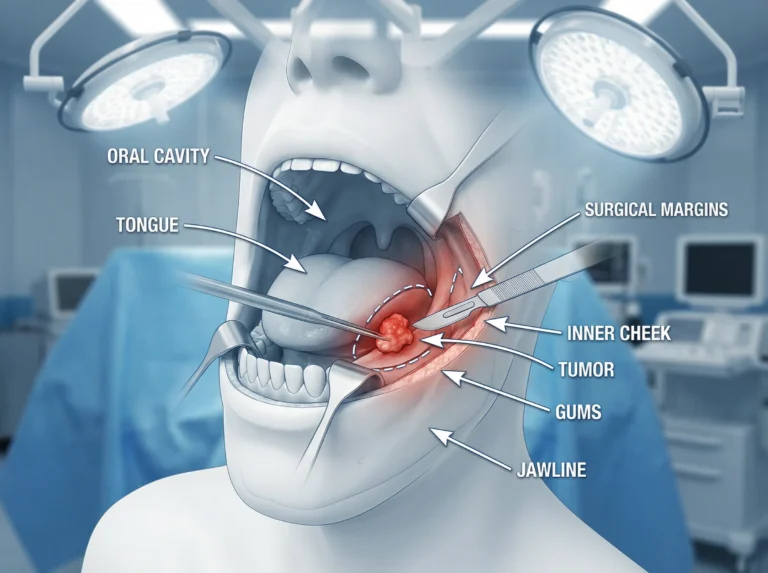
Opening the Door to Discovery
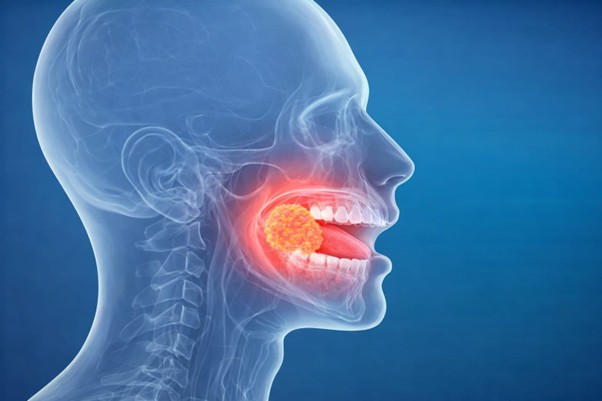
Oral cancer is a life‑altering disease that affects thousands of patients every year. It begins in the tissues of the mouth and can spread to the tongue, gums, lips, and throat if not detected early. As an Oral Cancer Specialist in Mira Road, Dr. Ramkishan Nag combines advanced surgical expertise with compassionate patient care, ensuring that every individual receives treatment tailored to their medical and emotional needs. His clinic is recognized as a trusted Mira Road oral cancer clinic, offering comprehensive services from screening to rehabilitation.
Meet Your Expert: A Surgeon Who Cares
Before we dive in, we want to introduce you to the expert behind this care Dr. Ramkishan Nag. Dr. Ramkishan Nag is a surgical oncologist here in Mira Road who specializes in these precise, life-changing procedures.
With over ten years of experience and training from the renowned Tata Memorial Hospital, Dr. Ramkishan Nag has performed more than 1,500 successful cancer surgeries. But what truly sets him apart is his philosophy. He believes that treating cancer is not just about removing disease; it’s about caring for the whole person. When you meet with him, you’ll find a doctor who listens, explains things clearly, and treats you with the compassion and respect you deserve.
Oral Cancer Specialist in Mira Road: Prevalence
India ranks among the highest globally in oral cancer cases, largely due to widespread tobacco consumption. In rapidly developing areas like Mira Road, lifestyle changes and urban stress have contributed to rising incidences. Oral cancer accounts for nearly 30% of all cancers in the country, making awareness and early detection critical. Patients who undergo oral cancer screening Mira Road at Dr. Ramkishan Nag clinic benefit from timely diagnosis, which significantly improves survival rates.
Oral Cancer Specialist in Mira Road: Primary Causes
The causes of oral cancer are multifactorial, but several risk factors dominate:
Tobacco use: Smoking and chewing tobacco are the leading contributors.
Alcohol consumption: Heavy drinking increases susceptibility.
HPV infection: Certain strains of the virus are linked to oral cancers.
Poor oral hygiene: Chronic infections and irritation can trigger abnormal cell growth.
Genetics: Family history plays a role in predisposition.
Chronic irritation: Ill‑fitting dentures or sharp teeth can cause persistent trauma.
Dr. Ramkishan Nag emphasizes preventive education at his Mira Road oral cancer clinic, helping patients understand and reduce these risks.
Oral Cancer Specialist in Mira Road: Types of Oral Cancer
Oral cancer manifests in different forms:
1. Squamous Cell Carcinoma (SCC)
Prevalence: Accounts for over 90% of oral cancers.
Location: Can occur anywhere in the oral cavity, particularly the tongue, floor of the mouth, and inner cheeks.
Symptoms: Persistent sores, red or white patches, difficulty swallowing, or lumps in the mouth or neck.
Risk Factors: Tobacco use, alcohol consumption, and HPV infection.
2. Verrucous Carcinoma
Nature: A slow-growing, low-grade form of SCC.
Appearance: Wart-like, thick white patches in the mouth.
Prognosis: Less likely to metastasize but can invade nearby tissues if untreated.
3. Minor Salivary Gland Carcinomas
Types: Includes mucoepidermoid carcinoma, adenoid cystic carcinoma, and polymorphous low-grade adenocarcinoma.
Location: Develop in the minor salivary glands found throughout the mouth and throat.
Symptoms: Swelling, pain, or numbness in the affected area
4. Lymphoma
Origin: Arises in the lymphoid tissues, often found in the base of the tongue and tonsils.
Types: Includes Hodgkin’s lymphoma and non-Hodgkin’s lymphoma.
Symptoms: Swelling, sore throat, and difficulty swallowing or breathing.
5. Mucosal Melanoma
Rarity: Very rare in the oral cavity, but aggressive.
Location: Most often appears on the hard palate or gums.
Appearance: Dark, irregularly pigmented lesions that require immediate treatment.
6. Sarcomas
Type: Cancers arising from connective tissues, such as bone or muscle.
Subtypes: Includes osteosarcoma (bone) and leiomyosarcoma (muscle).
Signs: Rapid swelling, pain, and loosening of teeth.
Each type requires specialized oral oncology treatment Mira Road, which Dr. Ramkishan Nag provides with precision.
Oral Cancer Specialist in Mira Road: Early Symptoms
Recognizing mouth cancer symptoms Mira Road patients often experience is vital:
Persistent sores or ulcers: Sores in the mouth that do not heal within two weeks, often painless at first, are a common early indicator.
White or red patches: Thick, white (leukoplakia) or red (erythroplakia) patches on the gums, tongue, or lining of the mouth may appear and persist.
Unexplained pain or tenderness: Mild discomfort, pain, or a burning sensation in the mouth can be a warning sign.
Lumps or thickened areas: A firm mass or localized swelling on the lips, tongue, or inside the cheek may develop.
Difficulty chewing or swallowing: Early oral cancer can cause a sensation of something being stuck in the throat or trouble moving the jaw or tongue.
Changes in tongue or mouth texture: Rough spots, a feeling of numbness, or loss of sensation in parts of the mouth can appear.
Persistent bad breath or bleeding: Unexplained bleeding from gums or tongue, or chronic bad breath, can be an early symptom.
Loose teeth or ill-fitting dentures: Oral changes affecting oral structures and speech or causing dentures to fit differently may signal an underlying issue.
Early detection through oral cancer screening Mira Road can prevent progression to advanced stages.
Oral Cancer Specialist in Mira Road: Advanced Symptoms
When oral cancer progresses, symptoms become more severe:
1. Persistent Ulcers or Lesions
Advanced oral cancer often manifests as non healing sores in the mouth, which may bleed easily. These ulcers may have irregular, raised, or hardened edges and fail to improve with time.
2. Severe Pain or Numbness
Patients may experience continuous pain in the mouth, jaw, or ear, sometimes accompanied by a tingling or numb sensation in the lips, tongue, or face due to nerve involvement.
3. Difficulty in Chewing, Swallowing, or Speaking
The growth of tumors can cause dysphagia (difficulty swallowing), trismus (restricted mouth opening), and impairment in speech clarity, profoundly affecting daily functions.
4. Noticeable Masses or Lumps
Advanced cancers may present as palpable lumps in the oral cavity, jaw, or neck, indicating possible regional spread to lymph nodes. The lumps can be firm, fixed, and sometimes painles initially.
5. Changes in Oral Structures
Tumor progression may lead to loosening of teeth, bone destruction, and asymmetry of the jaw or face. There may also be ulcerative lesions on the tongue, lips, or floor of the mouth.
6. Persistent Bleeding or Infection
Frequent bleeding from the mouth and secondary infections may occur due to tissue break down caused by the tumor.
7. Unexplained Weight Loss and Fatigue
As oral cancer advances, systemic symptoms like significant weight loss, chronic fatigue, and general malaise can occur, reflecting nutritional compromise or metastasis.
8. Referral Pain and Swelling
Pain may radiate to the ear, neck, or head, and there may be swelling of the jaw or neck due to lymph node involvement or tumor expansion.
9. Sensory Changes and Functional Impairment
Advanced tumors may induce difficulty in tongue mobility, altered taste, drooling, and persistent bad breath (halitosis).
At this stage, intervention by a head and neck cancer specialist Mira Road like Dr. Nag is crucial.
Oral Cancer Specialist in Mira Road: Stages of Oral Cancer
Oral cancer is classified into four stages:
Stage 0 – Carcinoma in Situ
Description: Abnormal cells are present but confined to the innermost layer of the oral cavity lining and have not invaded deeper tissues.
Implications: Early detection and treatment can often lead to a high cure rate.
Stage I
Tumour size: The tumour is 2 cm or smaller.
Lymph nodes/metastasis: No spread to lymph nodes or distant organs.
Treatment options: Typically, surgical removal, sometimes complemented with radiation therapy. Prognosis is generally favorable.
Stage II
Tumour size: Tumour is larger than 2 cm but not exceeding 4 cm.
Lymph nodes/metastasis: Cancer has not spread to lymph nodes or other parts of the body.
Treatment options: Surgery often combined with radiation therapy. Early-stage detection still allows for effective treatment outcomes.
Stage III
Tumor size: Tumor larger than 4 cm, or cancer has spread to one nearby lymph node on the same side of the neck, measuring up to 3 cm.
Lymph nodes/metastasis: Local lymph node involvement may start, but no distant metastasis.
Treatment options: May involve surgery with neck dissection, followed by radiation or chemoradiation depending on pathology. Prognosis depends on lymph node involvement.
Stage IV – Advanced Oral Cancer
Stage IV is subdivided into IVA, IVB, and IVC:
Stage IVA: Tumor of any size with spread to a single lymph node more than 3 cm but not more than 6 cm, or tumor invades nearby structures (e.g., jawbone, skin, or sinus).
Stage IVB: Tumor of any size with spread to lymph nodes larger than 6 cm, or cancer has spread to multiple lymph nodes, or near critical structures.
Stage IVC: Cancer has spread to distant organs such as lungs or liver.
Treatment options: Typically multimodal, including surgery, radiation therapy, chemotherapy, or palliative care for advanced metastatic disease. Prognosis decreases with increasing stage.
Understanding these stages helps patients appreciate the importance of early oral cancer screening Mira Road.
Oral Cancer Specialist in Mira Road: Diagnostic Techniques
Dr. Ramkishan Nag employs advanced diagnostic tools:
1. Visual and Clinical Examination
Conventional Oral Examination (COE): Inspection and palpation of the oral mucosa to detect changes in color, texture, or ulcerations.
Pros: Fast, low-cost, non-invasive.
Cons: Highly dependent on clinician skill; false negatives possible for early or multifocal lesions.
2. Vital Staining Techniques
Toluidine Blue: Metachromatic dye binds to nucleic acids; dysplastic or malignant cells appear blue.
Lugol’s Iodine: Iodine–starch reaction highlights glycogen-rich normal mucosa; cancerous areas fail to stain.
Rose Bengal: Fluorescein derivative targeting abnormal epithelial cells.
Pros: Simple, low-cost, fast; highlights suspicious areas for biopsy.
Cons: False positives in inflamed or hyperplastic tissues; limited specificity.
3. Cytology and Brush-based Sampling
Oral Brush Biopsy (Oral CDx): Collects full-thickness epithelial cells for computer-assisted cytology.
Liquid-Based Cytology & Centrifuged LBC: Cells are suspended in preservative solution, processed to reduce artifacts and improve clarity.
Fine Needle Aspiration Cytology (FNAC): Useful for salivary gland lesions minimally invasive for superficial tumors.
Pros: Non-invasive, rapid, allows molecular adjunct testing.
Cons: Requires trained personnel; may be limited in highly keratinized or deep lesions.
4. Optical and Light-Based Techniques
Tissue Autofluorescence (Velscope, Identafi, Fluorescence Visualizatio): Blue light excites molecules such as FAD, NADH; normal mucosa fluoresces green, abnormal tissue shows loss of autofluorescence.
Chemiluminescence (Vizilite): Blue-white light highlights abnormal epithelial areas by reflection differences.
Optical Coherence Tomography (OCT): High-resolution cross-sectional imaging of tissue microarchitecture.
Narrow Band Imaging (NBI): Enhances visualization of vasculature associated with early malignant changes.
Pros: Non-invasive, real-time, can guide biopsy targeting.
Cons: Requires specialized devices; can produce false positives/negatives.
5. Spectroscopy-Based Diagnostics
Fluorescence Spectroscopy: Detects tissue autofluorescence at molecular and cellular levels.
Raman Spectroscopy: Molecular fingerprinting based on light scattering to detect biochemical changes.
Diffuse Reflectance Spectroscopy: Measures changes in tissue light absorption reflective of structural or biochemical alterations.
Pros: Non-invasive, sensitive to early biochemical changes.
Cons: Analytical complexity; requires calibration and specialized equipment.
6. Saliva-Based Biomarkers
Salivary Proteomics, Genomics, and Metabolomics: Detect elevated cytokines (IL-6, IL-8, TNF-α), cancer antigens (CA125, Cyfra 21-1), and epigenetic alterations (e.g., hypermethylation of NID2, HOXA9).
Liquid Biopsy: Analysis of circulating tumor DNA (ctDNA), cell-free DNA (cfDNA), exosomes, and microRNAs in saliva or blood.
Pros: Fully non-invasive, allows repeated sampling, early detection potential.
Cons: Currently adjunctive; biomarker panels require further validation for routine clinical use.
7. Molecular and Genetic Techniques
Polymerase Chain Reaction (PCR) and RT-PCR: Detect specific DNA/RNA mutations, oncogenes, or tumor suppressor gene alterations.
Microarray and Next-Generation Sequencing (NGS): Provide genomic profiling; identify aberrant gene expression or mutations.
Fluorescence In Situ Hybridization (FISH): Detect chromosomal abnormalities and gene rearrangements within tissue or cytology samples.
Pros: High specificity, enables identification of molecular targets.
Cons: Requires laboratory infrastructure; invasive if applied to tissue biopsy.
8. Flow Cytometry and Imaging Cytometry
Analyzes cellular properties such as DNA content (ploidy), surface markers, and apoptosis.
Useful for assessing tumor aggressiveness and progression potential.
9. Emerging Approaches
Nano diagnostics: Utilizes nanoparticles for molecular imaging and highly sensitive detection of single cancer cells.
Artificial Intelligence (AI) & Deep Learning: Analyzes imaging data and biomarker patterns to detect suspicious lesions rapidly and objectively.
10. Practical Considerations
A multimodal approach combining clinical examination, optical devices, cytology, saliva biomarkers, and molecular analysis improve diagnostic accuracy.
Non-invasive techniques are particularly useful for screening high-risk populations, guiding biopsy, and monitoring treatment response or recurrence.
Despite advancements, biopsy with histopathology remains the gold standard; non-invasive tools serve as adjuncts.
These techniques ensure accurate diagnosis, forming the foundation of effective oral oncology treatment Mira Road.
Oral Cancer Specialist in Mira Road: Treatment Options
Treatment depends on the stage and type of cancer:
Surgical excision: Removal of tumours with precision
Radiotherapy: Targeted radiation to destroy cancer cells
Chemotherapy: Systemic treatment for advanced cases
Reconstructive surgery: Restoring facial structure and function
Targeted therapy and immunotherapy: Modern approaches for resistant cancers
Dr. Ramkishan Nag expertise in oral surgery for cancer Mira Road ensures patients receive world‑class care.
Oral Cancer Specialist in Mira Road: Rehabilitation Post‑Treatment
Recovery is as important as treatment. Rehabilitation includes:
1. Speech therapy to restore communication
2.Nutritional counselling for strength
3.Psychological support to overcome trauma
4.Physical therapy for jaw mobility
The oral cancer rehabilitation Mira Road program at Dr. Ramkishan Nag clinic helps patients regain confidence and quality of life.
Oral Cancer Specialist in Mira Road: Risk Factors
Several factors increase oral cancer risk:
1.Tobacco and alcohol use
2.Poor diet lacking fruits and vegetables
3.Family history of cancer
4.Chronic infections
5.Environmental exposure to pollutants
Dr. Ramkishan Nag educates patients on minimizing these risks at his Mira Road oral cancer clinic.
Oral Cancer Specialist in Mira Road: Prevention Measures
Prevention is the most powerful weapon:
1.Avoid tobacco and alcohol
2.Maintain oral hygiene
3.Regular dental check‑ups
4.Early oral cancer screening Mira Road
Lifestyle modifications can drastically reduce the incidence of oral cancer.
Oral Cancer Specialist in Mira Road: Impact on Body
Oral cancer affects more than just the mouth:
1.Speech difficulties
2.Swallowing problems
3.Facial disfigurement
4.Emotional distress
5.Nutritional deficiencies
Dr. Ramkishan Nag holistic approach ensures patients receive both medical and emotional support.
Oral Cancer Specialist in Mira Road: Importance of Early Detection
Early detection saves lives. Patients who consult a head and neck cancer specialist Mira Road like Dr. Nag benefit from:
1.Less invasive treatments
2.Higher survival rates
3.Better rehabilitation outcomes
4.Improved quality of life
Want to Talk? Dr. Ramkishan Nag is Here for You
You can book a consultation with Dr. Ramkishan Nag at his clinic in Urban Grandeur, Kanakia, Mira Road, Mumbai.
Call: +91-9827080338
Email: ramkishannag@gmail.com
Let’s talk about what’s possible for you because your recovery deserves more than survival; it deserves peace, confidence, and comfort, too.
Final Thoughts
Oral cancer is a serious but preventable disease. With timely oral cancer screening Mira Road and expert care from Dr. Ramkishan Nag, patients can overcome challenges and restore their health. As the best oral cancer doctor Mira Road, Dr. Nag combines surgical excellence with compassionate care, guiding patients toward recovery and renewed hope.
FAQs
Q1: Who is the best oral cancer doctor in Mira Road?
Dr. Ramkishan Nag is widely recognized as the best oral cancer doctor Mira Road, offering advanced surgical and oncology care.
Q2: What are the common mouth cancer symptoms in Mira Road patients?
Persistent ulcers, white/red patches, difficulty swallowing, and numbness are common mouth cancer symptoms Mira Road residents should watch for.
Q3: What treatment options are available for oral cancer in Mira Road?
Options include surgery, chemotherapy, radiotherapy, and reconstructive procedures under oral oncology treatment Mira Road services.
Q4: How important is oral cancer screening in Mira Road?
Oral cancer screening Mira Road is vital for early detection, reducing treatment complexity, and improving survival rates.
Q5: Can oral cancer patients recover fully after surgery?
Yes, with proper rehabilitation such as oral cancer rehabilitation Mira Road, patients can regain speech, swallowing, and confidence.
Oral Cancer Specialist In Mira Road Oral Cancer Specialist In Mira Road Oral Cancer Specialist In Mira Road Oral Cancer Specialist In Mira Road Oral Cancer Specialist In Mira Road Oral Cancer Specialist In Mira Road Oral Cancer Specialist In Mira Road Oral Cancer Specialist In Mira Road Oral Cancer Specialist In Mira Road Oral Cancer Specialist In Mira Road Oral Cancer Specialist In Mira Road Oral Cancer Specialist In Mira Road Oral Cancer Specialist In Mira Road Oral Cancer Specialist In Mira Road Oral Cancer Specialist In Mira Road Oral Cancer Specialist In Mira Road Oral Cancer Specialist In Mira Road Oral Cancer Specialist In Mira Road Oral Cancer Specialist In Mira Road Oral Cancer Specialist In Mira Road Oral Cancer Specialist In Mira Road Oral Cancer Specialist In Mira Road Oral Cancer Specialist In Mira Road Oral Cancer Specialist In Mira Road Oral Cancer Specialist In Mira Road Oral Cancer Specialist In Mira Road Oral Cancer Specialist In Mira Road Oral Cancer Specialist In Mira Road Oral Cancer Specialist In Mira Road
Newsletter Updates
Enter your email address below and subscribe to our newsletter