Book Appointment Now
Experienced GI Oncology Specialist in Mira Road for Advanced Cancer Care
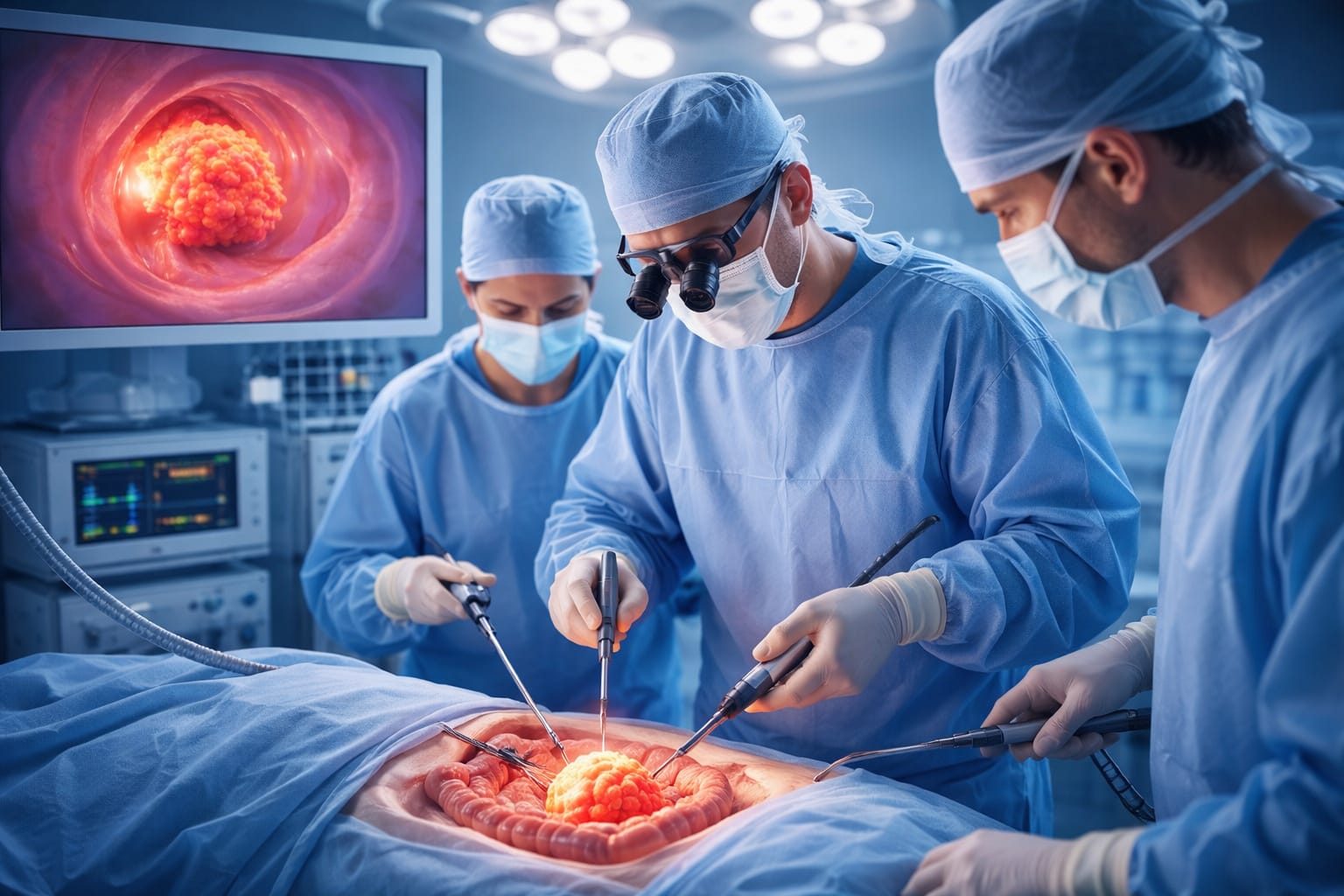
A Gi Oncology Specialist in Mira Road offers expert diagnosis and advanced treatment
When it comes to specialized cancer care, finding the right expert is crucial. For patients in Mira Road and across Mumbai, Dr. Ramkishan Nag stands out as a trusted Gi Oncology specialist in Mira Road, Mumbai. With years of experience, advanced surgical expertise, and a patient-centred approach, Dr. Nag provides comprehensive treatment for gastrointestinal cancers. This blog explores GI oncology, common cancers treated, advanced therapies, and why Dr. Nag is the preferred choice for patients seeking specialized care.
Meet Our Gi Oncology Specialist: Dr. Ramkishan Nag
Your choice of doctor is one of the most important decisions you’ll make during your treatment journey. Dr. Ramkishan Nag is a highly experienced Surgical Oncologist in Mumbai and Mira Road, known for performing advanced laparoscopic and robotic surgeries for gastrointestinal and other cancers.
With over a decade of specialized experience and more than 1,500 surgeries to his name, Dr. Ramkishan Nag combines medical skill with compassion. His training from Tata Memorial Hospital, along with roles at HCG Cancer Hospital and Deenanath Mangeshkar Hospital, has earned him recognition and trust among patients across Maharashtra.
He currently sees patients at Dr. Ramkishan Nag Clinic in Mira Road and at HCG Cancer Hospital in Borivali West, ensuring you have access to world-class care close to home.
Gi Oncology Specialist in Mira Road: What is Gi Oncology?
Definition and Scope: GI Oncology, short for Gastrointestinal Oncology, involves the study and management of cancers affecting the digestive system. This includes cancers of the esophagus, stomach, liver, pancreas, gallbladder, small intestine, colon, and rectum. Specialists in this field are trained to handle the unique challenges associated with these cancers, considering both surgical and non-surgical treatment approaches.
Common Types of GI Cancers:
- Esophageal cancer – cancer of the esophagus, often linked to smoking and reflux disease.
- Gastric (stomach) cancer – arises from the stomach lining, sometimes associated with Helicobacter pylori infection.
- Colorectal cancer – includes cancers of the colon and rectum; among the most common GI cancers.
- Pancreatic cancer – aggressive cancer of the pancreas often diagnosed at advanced stages.
- Liver cancer – primary liver cancer includes hepatocellular carcinoma, commonly linked to hepatitis B or C infections.
- Gallbladder and biliary tract cancers – less common but require specialized care.
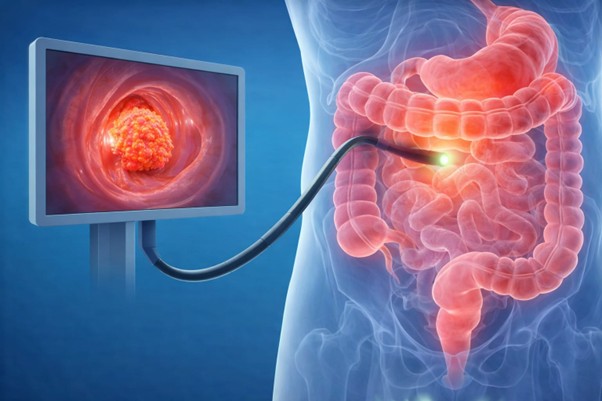
Diagnosis and Treatment: GI oncologists work with a multidisciplinary team that may include surgeons, radiologists, pathologists, radiation oncologists, and medical oncologists. Diagnosis usually involves imaging (CT, MRI, PET scans), endoscopic procedures, biopsies, and blood tests. Treatments can include:
- Surgery to remove tumours or affected organs.
- Chemotherapy to target cancer cells systemically.
- Radiation therapy to control localized tumours.
- Targeted therapy and immunotherapy for specific molecular or immune based treatments.
- Palliative care to manage symptoms and improve quality of life for advanced cases.
Gi Oncology Specialist in Mira Road: Common Gastrointestinal Cancers Treated
GI oncology covers a wide range of cancers, each requiring specific diagnostic and treatment strategies:
- Oesophageal cancer: Often linked to smoking, alcohol, and chronic acid reflux.
- Stomach cancer treatment Mumbai: Gastric cancer is prevalent in India and requires timely intervention.
- Colon cancer specialist in Mira Road: Colon and rectal cancers are among the most common GI malignancies.
- Pancreatic cancer surgeon Mumbai: Pancreatic cancer is aggressive and demands specialized surgical expertise.
- Liver and gallbladder cancers: Often detected late, requiring multidisciplinary care.
Gi Oncology Specialist in Mira Road: Importance of Early Diagnosis
Early Detection and Prognosis
Gastrointestinal (GI) cancers include malignancies of the oesophagus, stomach, colon, rectum, liver, pancreas, gall bladder, and small intestine. These cancers often develop silently, with non-specific early symptoms such as mild abdominal discomfort, changes in bowel habits, unexplained weight loss, persistent indigestion, or jaundice. Because initial symptoms can be easily mistaken for common digestive issues, many patients are diagnosed only at advanced stages, when treatment is more complex and less effective.
Early detection allows treatment at a stage where the disease may be completely curable, often with minimal intervention like localized surgery or endoscopic excision, which significantly improves survival rates and reduces recurrence.
Benefits of Early Diagnosis
Higher Survival Rates: For example, early-detected colorectal cancer has a cure rate exceeding 90%, illustrating the critical impact of timely intervention.
Minimally Invasive Treatment: Early-stage cancers can often be treated with laparoscopic or endoscopic procedures, reducing surgical risk and accelerating recovery.
Lower Treatment Costs and Fewer Complications: Advanced cancers typically require multimodal therapies (major surgery, chemotherapy, or radiotherapy), which are more expensive and associated with higher complication rates.
Better Quality of Life: Early intervention typically results in faster recovery, lower treatment-related morbidity, and improved functional outcomes.
Prevention of Severe Complications: Timely diagnosis can prevent life-threatening outcomes like bowel obstruction, gastrointestinal bleeding, or metastasis.
Screening Strategies and Innovations
Screening methods play an essential role in early detection, particularly for high-risk populations. Traditional techniques include endoscopy, colonoscopy, imaging (CT/MRI), and blood-based tumour markers. Recent advancements in non-invasive and minimally invasive techniques include:
Liquid biopsies: Detect circulating tumour DNA (ctDNA) or miRNAs in blood, offering high specificity for early detection.
Stool-based DNA tests and faecal immunochemical tests: Facilitates identification of colorectal cancer at treatable stages.
Capsule endoscopy and tethered capsule imaging: Enable visualization of the small intestine and oesophagus with greater patient comfort.
AI-assisted imaging and biomarkers: Enhance accuracy and may allow early-stage tumour identification, reducing reliance on invasive procedures.
Microbiome-based assessments and VOC breath tests: Emerging tools that may detect precancerous changes or early malignancy.
Risk Factors and Targeted Screening
Early diagnosis is particularly critical for individuals with risk factors such as chronic hepatitis B/C, family history of GI cancers, obesity, smoking, alcohol use, low-fibre/high-fat diets, Helicobacter pylori infection, or prior gastrointestinal disorders.
Screening initiation ages may differ based on individual risk; for example, average-risk adults may begin colorectal cancer screening at age 45–50, while high-risk individuals require earlier and more frequent evaluation.
Gi Oncology Specialist in Mira Road: Advanced Gi Cancer Treatment Options
Modern GI oncology offers a range of advanced treatments and Digestive system cancer specialist Mira Road:
1. Surgery
Even in advanced GI cancers, surgery remains critical when feasible:
- Resection (curative or cytoreductive): Subtotal or total gastrectomy, esophagectomy, or colectomy depending on tumor location.
- Lymphadenectomy: Extensive removal of regional lymph nodes (e.g., D2 gastrectomy for stomach cancers).
- Palliative surgery: For obstruction, bleeding, or perforation; examples include gastrojejunostomy or bypass procedures.
Key point: Surgical candidacy is assessed by performance status, tumour respectability, and comorbidities.
2. Chemotherapy
Systemic chemotherapy is the backbone for unresectable or metastatic GI cancers:
- Standard regimens: Platinum and fluoropyrimidine combinations.
- Combination therapies:
- FLOT regimen (fluorouracil, leucovorin, oxaliplatin, docetaxel) in perioperative advanced gastric cancer.
- Docetaxel, epirubicin, cisplatin (ECF) or modified XELOX regimens.
- Used preoperatively to shrink tumors, postoperatively to eliminate residual disease, or palliatively in non-respectable cases.
3. Radiation Therapy
- Often combined with chemotherapy (chemoradiation, CRT) for local control.
- Preoperative CRT: Limited survival benefit in locally advanced gastric cancers but still relevant in esophageal/GEJ cancers.
- Adjuvant CRT: May be considered when surgery is incomplete or risk of recurrence is high.
- Cutting-edge surgical techniques performed by a Digestive system cancer specialist Mira Road.
4. Combination Strategies
- Perioperative chemotherapy ± immunotherapy for locally advanced tumors.
- Combination of targeted therapy with chemotherapy or ICIs to overcome resistance.
- Research is ongoing for immunotherapy + anti-angiogenic therapy.
5. Novel & Emerging Modalities
- Hyperthermic intraperitoneal chemotherapy (HIPEC) for peritoneal metastases.
- Cancer vaccines and adoptive cell therapies in clinical trials.
- Robotic surgery and minimally invasive endoscopic procedures for select localized lesions.
- Precision medicine approaches tailoring therapy based on genomics and MSI status.
6. Palliative & Supportive Care
- Symptom control: endoscopic stenting, laser therapy, or analgesics.
- Nutritional support: enteral feeding via gastrostomy or jejunostomy.
- Early integration of palliative care improves quality of life in advanced disease.
Gi Oncology Specialist in Mira Road: Minimally Invasive & Laparoscopic Gi Cancer Surgery
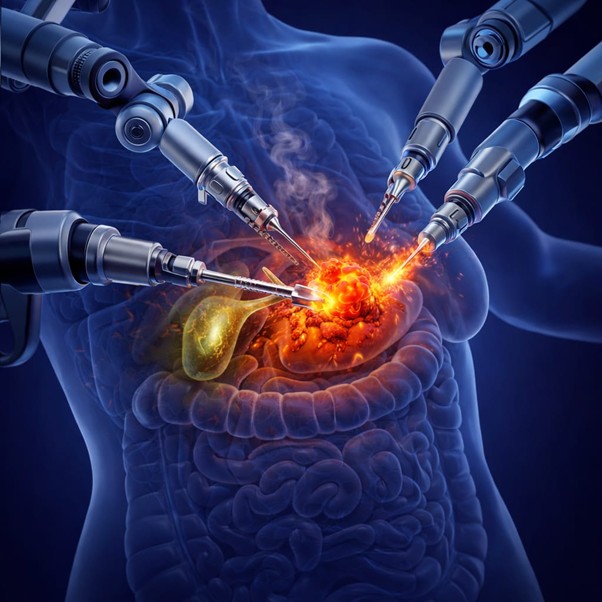
Dr. Nag specializes in Laparoscopic Gi cancer surgery, which involves small incisions, less pain, faster recovery, and reduced hospital stay. This approach is particularly effective for colon, stomach, and pancreatic cancers. Patients benefit from quicker return to normal life and lower complication rates.
Common Indications
Minimally invasive approaches can be appropriate for patients with:
- Early- stage endometrial (uterine) cancer, where hysterectomy with removal of ovaries and lymph nodes may be performed laparoscopically.
- Early-stage cervical cancer, under strict selection criteria, allowing radical hysterectomy via minimally invasive routes.
- Selected ovarian tumors, particularly for staging, biopsy, or removal of smaller localized masses.
- Recurrences or metastatic procedures, although advanced or bulky disease often requires open surgery.
Surgical Techniques
- Laparoscopic hysterectomy and bilateral sapling-oophorectomy: Removal of the uterus, cervix, fallopian tubes, and ovaries through small abdominal incisions.
- Pelvic and para-aortic lymphadenectomy: Lymph nodes are removed laparoscopically for staging and risk assessment.
- Ovarian tumor resection and staging: Tumor debulking or complete removal with careful tissue handling to avoid spillage.
- Robotic-assisted surgery: Provides enhanced dexterity, 3D visualization, and precise dissection, which is particularly helpful in complex pelvic anatomy.
Advantages
- Smaller incisions with minimal scarring.
- Reduced postoperative pain and analgesia requirements.
- Shorter hospital stays and faster return to normal activities.
- Lower risk of wound infections and hernias.
- Comparable oncologic outcomes in early-stage cancers when performed by experienced surgeons.
Gi Oncology Specialist in Mira Road: Personalized & Multidisciplinary Cancer Care
Cancer care is never one-size-fits-all. Dr. Nag adopts a personalized approach, considering the patient’s age, overall health, cancer stage, and lifestyle. His multidisciplinary team includes oncologists, radiologists, pathologists, and nutritionists, ensuring holistic care. This collaborative model enhances treatment outcomes and patient satisfaction.
Gi Oncology Specialist in Mira Road: Post-Treatment Care & Long-Term Follow-Up
Recovery doesn’t end with surgery or chemotherapy. Post-treatment care is vital for long-term health. Dr. Nag emphasizes:
- Regular follow-up visits to monitor recurrence.
- Nutritional guidance for faster healing.
- Psychological support to help patients cope emotionally.
- Lifestyle modifications to reduce cancer risk.
Why Choose Dr. Ramkishan Nag in Mira Road?
Patients choose Dr. Nag for several reasons:
- Proven expertise as a Gi Oncology Doctor in Mumbai.
- Advanced surgical skills, especially in minimally invasive techniques.
- Compassionate, patient-first approach.
- State-of-the-art facilities in Mira Road.
- Strong track record of successful outcomes.
Gi Oncology Specialist in Mira Road: When to Consult a Gi Oncology Specialist?
You should consult a Gi cancer specialist in Mira Road if you experience:
- Persistent digestive issues.
- Blood in stool or unexplained anaemia.
- Difficulty swallowing or chronic acid reflux.
- Family history of GI cancers.
- Sudden weight loss or fatigue.
Early consultation can make a life-saving difference.
Gi Oncology Specialist in Mira Road: Rising Awareness of Gi Cancers
Urban India is witnessing rising awareness about GI cancers. Campaigns, screenings, and educational initiatives are helping people recognize symptoms early. With specialists like Dr. Nag, patients in Mira Road and Mumbai have access to world-class care close to home.
Risk Factors and Causes
The rise in GI cancers is influenced by a combination of modifiable and non-modifiable factors:
Genetics and family history: Inherited syndromes like Lynch syndrome and other germline mutations contribute to early-onset cases.
Lifestyle factors: Obesity, sedentary lifestyles, poor diet, smoking, and alcohol consumption significantly increase risk.
Environmental exposures: Changes in diet, microbiome alterations, and other environmental factors are under investigation as emerging contributors.
Final Thoughts
GI cancers are complex but treatable when diagnosed early and managed by experts. Dr. Ramkishan Nag, a leading Gi Oncology specialist in Mira Road, Mumbai, offers advanced, compassionate, and personalized care. His expertise in Laparoscopic Gi cancer surgery and multidisciplinary approach ensures patients receive the best possible outcomes.
Talk to Us Today: Book Your Consultation
If you or someone you love needs cancer surgery or a second opinion, don’t wait. Early action can save lives.
You can meet Dr. Ramkishan Nag at either of these trusted locations:
Dr. Ramkishan Nag Clinic
Urban Grandeur, Kanakia, Mira Road, Mumbai
HCG Cancer Hospital
Holy Cross Road, IC Colony, Borivali West, Mumbai
To book an appointment, call +91-9827080338 or
email ramkishannag@gmail.com
Visit the website: www.drramkishannag.com
FAQs
Q1: Who is the best Gi Oncology specialist in Mira Road, Mumbai?
Dr. Ramkishan Nag is widely recognized as a leading GI oncology specialist, offering advanced treatment options and compassionate care.
Q2: What types of cancers does a Gi Oncology Doctor in Mumbai treat?
GI oncology covers cancers of the esophagus, stomach, pancreas, liver, gallbladder, colon, and rectum.
Q3: Is laparoscopic surgery effective for gastrointestinal cancers?
Yes, Laparoscopic Gi cancer surgery is highly effective, offering faster recovery and fewer complications.
Q4: When should I consult a Gi cancer specialist in Mira Road?
If you experience persistent digestive issues, unexplained weight loss, or blood in stool, consult immediately.
Q5: Why choose Dr. Ramkishan Nag for gastrointestinal cancer treatment Mumbai?
Dr. Nag combines advanced surgical expertise, personalized care, and a multidisciplinary approach, making him a trusted choice for patients.
Q6: Does Dr. Nag provide treatment for colon and stomach cancers?
Yes, he is a Colon cancer specialist in Mira Road and offers Stomach cancer treatment Mumbai with advanced techniques.
Q7: Is pancreatic cancer surgery available in Mumbai?
Yes, Dr. Nag is a skilled Pancreatic cancer surgeon Mumbai, providing specialized surgical care for complex cases.
Q8: What makes Dr. Nag different from other Digestive system cancer specialists Mira Road?
His patient-first philosophy, advanced laparoscopic skills, and holistic care approach set him apart.
GI Oncology Specialist In Mira Road GI Oncology Specialist In Mira Road GI Oncology Specialist In Mira Road GI Oncology Specialist In Mira Road GI Oncology Specialist In Mira Road GI Oncology Specialist In Mira Road GI Oncology Specialist In Mira Road GI Oncology Specialist In Mira Road GI Oncology Specialist In Mira Road GI Oncology Specialist In Mira Road GI Oncology Specialist In Mira Road GI Oncology Specialist In Mira Road GI Oncology Specialist In Mira Road GI Oncology Specialist In Mira Road GI Oncology Specialist In Mira Road GI Oncology Specialist In Mira Road GI Oncology Specialist In Mira Road GI Oncology Specialist In Mira Road GI Oncology Specialist In Mira Road GI Oncology Specialist In Mira Road GI Oncology Specialist In Mira Road GI Oncology Specialist In Mira Road
Newsletter Updates
Enter your email address below and subscribe to our newsletter