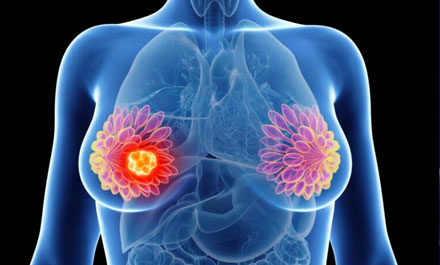
Compassion Meets Precision at Breast Conservation Surgery in Borivali
The curtain lifts, revealing the essence of what lies ahead; curiosity meets direction in this unfolding moment
Breast Conservation Surgery in Borivali. The Breast cancer treatment has evolved dramatically over the past few decades. For women in Borivali and nearby areas, Breast Conservation Surgery (BCS) offers a balance between effective cancer removal and preservation of the breast’s natural appearance. Unlike traditional mastectomy, which removes the entire breast, BCS focuses on eliminating the tumour while maintaining the breast’s contour. This approach, combined with radiation therapy after BCS Borivali, provides excellent survival outcomes and improved quality of life. Patients today can access advanced techniques such as lumpectomy near Borivali, oncoplastic breast surgery Borivali, and even robotic-assisted surgery, guided by an experienced breast cancer surgeon Borivali.
Meet Your Expert: A Surgeon Who Cares
Before we dive in, we want to introduce you to the expert behind this care Dr. Ramkishan Nag. Dr. Ramkishan Nag is a surgical oncologist here in Borivali who specializes in these precise, life-changing procedures.
With over ten years of experience and training from the renowned Tata Memorial Hospital, Dr. Ramkishan Nag has performed more than 1,500 successful cancer surgeries. But what truly sets him apart is his philosophy. He believes that treating cancer is not just about removing disease; it’s about caring for the whole person. When you meet with him, you’ll find a doctor who listens, explains things clearly, and treats you with the compassion and respect you deserve.
Definition of Breast Conservation Surgery (BCS) in Borivali
Breast Conservation Surgery, often referred to as lumpectomy or partial mastectomy, is a surgical technique designed to remove the cancerous tumour along with a margin of healthy tissue. The rest of the breast is preserved, ensuring both oncological safety and cosmetic satisfaction. For women seeking early-stage breast cancer treatment Borivali, BCS has become the gold standard, especially when combined with postoperative radiation therapy.
Breast Conservation Surgery in Borivali: Goal of Surgery
The goals of BCS are clear: early-stage breast cancer treatment Borivali
1. Effective Cancer Treatment
The foremost aim of breast conservation surgery (BCS), also known as lumpectomy or partial mastectomy, is to remove the tumor along with a margin of healthy tissue to ensure that all cancer cells are excised, reducing the risk of recurrence.
This often includes evaluation of nearby lymph nodes and is usually followed by radiation therapy. Clinical studies have demonstrated that, for early-stage breast cancer, survival outcomes for BCS combined with radiation are equivalent to those of mastectomy Bedford Breast Centre.
2. Preservation of Breast Appearance and Function
Unlike mastectomy, which removes the entire breast, BCS is carefully planned to retain as much natural breast tissue as possible, maintaining the breast’s shape, symmetry, and nipple-areola placement.
Oncoplastic techniques further enhance cosmetic results by reshaping or reconstructing the breast during the same procedure, minimizing deformities, asymmetry, and scarring. This aspect of BCS is crucial for patients’ self-esteem and body image.
3. Improvement of Quality of Life
BCS allows women to avoid the physical and emotional impact of full mastectomy, promoting faster recovery and fewer post-operative complications.
Maintaining the breast improves psychological well-being, sexual confidence, and social comfort. In addition, it often enables a quicker return to daily activities, positively affecting overall quality of life.
4. Minimizing the Need for Subsequent Procedures
Careful excision with attention to clear margins and appropriate reconstruction techniques aims to reduce the likelihood of additional surgeries, such as re-excision or mastectomy, and to ensure that subsequent treatments like radiation therapy can be carried out smoothly.
5. Personalization of Treatment
Another important goal is to tailor the approach to the individual patient. Factors such as tumour size, location, breast size, and patient preferences guide the surgical plan. This patient-centred approach ensures oncologic safety without compromising aesthetics, making BCS suitable for a wide range of women while respecting their priorities.
This dual focus makes BCS a preferred choice for patients who value both survival and quality of life. radiation therapy after BCS Borivali.
Breast Conservation Surgery in Borivali: Indications
1. Early-Stage Breast Cancer:
Most suitable for patients with Stage I and II breast cancer, where tumors are small and localized.
2. Tumor Size and Location:
The tumor is generally less than 5 centimeters, confined to a single quadrant, and the breast has sufficient volume to allow removal without significant distortion.
3. Type of Breast Cancer:
Appropriate for invasive ductal carcinoma, ductal carcinoma in situ (DCIS), and hormone receptor-positive tumors that are amenable to surgery while preserving breast tissue.
4. Patient Health and Comorbidities:
Candidates should be in good overall health to tolerate surgery and anesthesia safely.
5. Genetic Considerations:
Patients without high-risk BRCA1 or BRCA2 mutations may be suitable; those with high genetic risk may require assessment for mastectomy.
6. Patient Preference:
Women who wish to conserve breast appearance and prioritize cosmetic outcomes may opt for BCS.
7. Availability of Radiation Therapy:
Postoperative radiotherapy is usually required; candidates should have access to radiation facilities to ensure optimal treatment.
8. Adequate Breast Volume:
Ensures that removal of the tumor does not result in significant deformity or asymmetry.
9. Unifocal Disease:
Single tumor presence favors BCS; multiple tumors in different quadrants or extensive disease may necessitate mastectomy.
10. Willingness to Follow Up:
Patients must be committed to ongoing monitoring and adjuvant treatments, including radiotherapy, to minimize recurrence risk.
11. Psychosocial Factors:
BCS may be preferred for its psychological benefits, helping to preserve a sense of femininity and body image.
12. Not Pregnant in Early Trimester:
Surgery is typically postponed or modified if the patient is in the first or second trimester of pregnancy.
13. No Prior Radiation to Same Breast:
Previous radiotherapy may contraindicate BCS due to risk of tissue complications.
14. Surgical Margins Feasibility:
Tumor should allow complete excision with negative margins while leaving sufficient healthy breast tissue for cosmetic results.
Breast Conservation Surgery in Borivali: Preoperative Assessment
A thorough preoperative evaluation ensures safety and success and cosmetic outcomes of BCS Borivali.
1. Purpose of Preoperative Assessment
- Evaluate tumor extent, location, and relationship to surrounding tissue.
- Plan the surgical strategy to achieve negative margins while preserving breast aesthetics.
- Identify patient-specific risk factors influencing surgical outcomes, including comorbidities, prior treatments, and breast anatomy.
2. Clinical History Evaluation
- Review prior imaging and biopsy results for tumor characterization.
- Consider previous breast surgery, radiation, or systemic therapy.
- Assess patient expectations, psychosocial factors, and willingness for oncoplastic procedures.
3. Physical Examination
- Determine tumor palpability, breast size and shape, nipple-to-tumor distance.
- Evaluate skin quality, breast ptosis, and presence of multifocal or multicentric lesions.
- Examine axilla for lymph node involvement.
4. Imaging Assessment
- Mammography: Detect microcalcifications, multifocality, architectural distortions.
- Ultrasound: Useful for younger patients and dense breasts; measures lesion depth and size.
- MRI: High sensitivity for invasive disease, invasive carcinoma extent, or dense breast tissue; contributes when conventional imaging is inconclusive.
5. Localization Strategies for Non-Palpable Lesions
- Wire-guided localization (WGL): Standard technique for guiding excision of non-palpable tumors.
- Radioactive Seed Localization (RSL) / Radioactive Occult Lesion Localization (ROLL): Offer improved margin clearance and reduced re-excision rates compared to WGL.
- Clipguidedlocalization: Provides an option for cases where seeds or wires are impractical; often used after neoadjuvant therapy.
6. Preoperative Risk Assessment
- Consider nipplesparing feasibility: tumor distance from NAC, receptor status, absence of lymphovascular invasion.
- Assess patient suitability for oncoplastic volume displacement or replacement techniques.
- Evaluate anesthetic risk, comorbidities, and potential complications in reconstruction or resection.
7. Intraoperative Margin Planning
- Preoperative imaging guides extent of excision needed for clear margins.
- Document lesion orientation, depth, and size for accurate intraoperative identification.
- Plan for realtime margin assessment techniques if available (frozen section, cavity shave, ultrasound guidance).
8. Patient Counselling and Shared Decision-Making
- Discuss potential need for re-excision if margins are positive.
- Recommend reconstruction options and anticipated cosmetic outcomes.
- Inform about risks, benefits, and impact on adjuvant therapy scheduling.
9. Multidisciplinary Coordination
- Collaborate with radiologists for lesion localization and surgical planning.
- Integrate pathology, surgical oncology, and plastic surgery input to optimize surgical and aesthetic outcomes.
- Ensure documentation for intraoperative guidance and postoperative follow-up.
Breast Conservation Surgery in Borivali: Surgical Procedures
BCS involves several advanced techniques:
1. Lumpectomy
- Surgical removal of the tumor along with a margin of healthy tissue.
- Also known as partial mastectomy, segmental mastectomy, or quadrantectomy.
2. Wide Local Excision (WLE)
- Excision of the tumor with a generous margin of surrounding normal tissue.
- Ensures negative margins to reduce recurrence risk.
3. Oncoplastic Breast Surgery (OBS)
- Combines tumor removal with plastic surgery techniques for better cosmetic outcome.
- Level I: Minor reshaping, such as round-block technique, J-platy, batwing or hemibatwing excisions, nipple recentralization, parallelogram incisions, Grissoti flap.
- Level II: Advanced procedures for larger tumors or breast volume, including volume displacement or replacement using local or pedicled flaps, mammoplasty for reduction.
4. Local Parenchymal Flaps
- Tissue rearrangement within the breast to fill defects after tumour excision.
5. Perforator Flaps (PFs)
- Tissue transferred from nearby regions while preserving underlying muscles.
Examples include:
- Lateral Intercostal Artery Perforator (LICAP) flap
- Lateral Thoracic Artery Perforator (LTAP) flap
- Medial Intercostal Artery Perforator (MICAP) flap
- Anterior Intercostal Artery Perforator (AICAP) flap
- Thoracoepigastric (TE) flap
6. Volume Replacement/Extreme Oncoplastic
- Used when large portions of breast tissue are removed.
- May involve local, regional, or remote flaps to maintain symmetry and volume.
7. Contralateral Symmetrisation Surgery
- Optional procedure on the opposite breast to achieve symmetry, often with reduction, lift, or reshaping.
8. Wire Localization–Guided Excision
- Techniques for impalpable tumors using imaging-guided wire placement to ensure precise removal.
9. Adjunctive Procedures
- Nipple-sparing or skin-sparing techniques if combined with reconstruction.
- Fat grafting for minor contour irregularities after lumpectomy.
Breast Conservation Surgery in Borivali: Clear Margins
Clear margins are critical to prevent recurrence. Surgeons carefully remove tissue around the tumour and send samples for pathology. If margins are not clear, additional surgery may be required. This ensures oncological safety while preserving breast tissue.
Breast Conservation Surgery in Borivali: Role of Radiation Therapy
Radiation therapy is essential after BCS. It destroys residual cancer cells and reduces recurrence risk. In Borivali, radiation therapy after BCS Borivali is widely available, ensuring comprehensive care. This step is non-negotiable for long-term success.
Breast Conservation Surgery in Borivali: Oncoplastic Techniques
Oncoplastic surgery integrates cancer removal with reconstructive techniques:
1. Principles of Oncoplastic Surgery
- Oncologic Safety: Complete tumor excision with negative margins remains the primary goal. Oncoplastic techniques allow wider resections without compromising cosmetic outcomes.
- Aesthetic Optimization: Reshaping the breast tissue restores natural contours, symmetry, and nipple-areolar complex (NAC) positioning.
- Patient-Centered Approach: Surgical planning integrates tumour characteristics, breast size, degree of ptosis, skin quality, and patient preferences.
- Multidisciplinary Planning: Collaboration among breast surgeons, plastic surgeons, radiologists, and oncologists maximizes both oncologic and aesthetic outcomes.
2. Classification of Oncoplastic Techniques
Oncoplastic techniques are broadly categorized based on the proportion of breast tissue excised and reconstructive requirements.
2.1 Level I Oncoplastic Techniques (Minor Resections)
- Target defects involving less than 20% of breast volume.
- Employ local tissue rearrangement to fill post-excision cavities.
Common techniques include:
- Round-block (peri areolar) technique
- J-platy for lower-quadrant tumours.
- Batwing or hemi-batwing excisions for central or upper-inner tumours.
- Glandular flap advancement and rotational flaps.
2.2 Level II Oncoplastic Techniques (Moderate Resections)
- Address 20–50% breast volume excision or larger tumours.
Techniques may involve:
- Mastopexy-based reshaping to lift and redistribute breast tissue.
- Reduction mammoplasty techniques for volume reduction while improving cosmesis and radiotherapy outcomes.
- Parenchymal flaps coordinated with skin excision patterns for optimal contour.
Breast Conservation Surgery in Borivali: Oncoplastic Techniques
Oncoplastic surgery integrates cancer removal with reconstructive techniques:
1. Principles of Oncoplastic Surgery
- Oncologic Safety: Complete tumor excision with negative margins remains the primary goal. Oncoplastic techniques allow wider resections without compromising cosmetic outcomes.
- Aesthetic Optimization: Reshaping the breast tissue restores natural contours, symmetry, and nipple-areolar complex (NAC) positioning.
- Patient-Centered Approach: Surgical planning integrates tumour characteristics, breast size, degree of ptosis, skin quality, and patient preferences.
- Multidisciplinary Planning: Collaboration among breast surgeons, plastic surgeons, radiologists, and oncologists maximizes both oncologic and aesthetic outcomes.
2. Classification of Oncoplastic Techniques
Oncoplastic techniques are broadly categorized based on the proportion of breast tissue excised and reconstructive requirements.
2.1 Level I Oncoplastic Techniques (Minor Resections)
Target defects involving less than 20% of breast volume.
Employ local tissue rearrangement to fill post-excision cavities.
Common techniques include:
- Round-block (peri areolar) technique
- J-platy for lower-quadrant tumours.
- Batwing or hemi-batwing excisions for central or upper-inner tumours.
- Glandular flap advancement and rotational flaps.
2.2 Level II Oncoplastic Techniques (Moderate Resections)
Address 20–50% breast volume excision or larger tumours.
Techniques may involve:
- Mastopexy-based reshaping to lift and redistribute breast tissue
- Reduction mammoplasty techniques for volume reduction while improving cosmesis and radiotherapy outcomes
- Parenchymal flaps coordinated with skin excision patterns for optimal contour
2.3 Volume Replacement Techniques (Extensive Resections)
Necessary when >50% of breast tissue is removed or in non-ptotic breasts.
Use locoregional or pedicled flaps to restore volume:
- Latissimus dorsi (LD) myocutaneous flap for large or complex defects
- Lateral intercostal artery perforator (LICAP) flaps for outer quadrant defects
- Anterior intercostal artery perforator (AICAP) and medial intercostal artery perforator (MICAP) for medial and lower inner quadrant defects
- Thoracodorsal artery perforator (TDAP) and lateral thoracic artery perforator (LTAP) flaps as alternatives depending on defect location and tissue availability
2.4 Symmetrisation Techniques
Contralateral procedures, such as breast reduction, mastopexy, or augmentation, achieve symmetry when significant reshaping occurs on the operative breast.
3. Ptosis-Driven Approaches
Modern surgical planning emphasizes breast ptosis as a central determinant in technique selection:
- Ptotic or larger breasts: Mastopexy and reduction techniques yield optimal local contour and symmetry.
- Non-ptotic or small breasts: Local tissue rearrangement, fat grafting, or flap-based volume replacement are preferred, maintaining shape while minimizing donor site morbidity.
4. Preoperative and Intraoperative Considerations
- Patient Assessment: Tumor size, location, tumor-to-breast volume ratio, skin quality, and history of radiation or prior surgeries.
- Incision Planning: Periareolar, inframammary, axillary, radial ellipse, or Wise-pattern designs based on tumor quadrant and aesthetic considerations.
- Preservation of Vascularity and Nerve Supply: Maintaining perfusion to glandular tissue and NAC ensures optimal healing and reduces complications like fat necrosis or flap loss.
- Use of Imaging and 3D Planning: MRI and advanced imaging aid in visualizing resection volumes and flap planning for precise outcomes.
5. Recovery and Outcomes
- Single-Stage Procedure: Immediate tumor resection combined with reconstruction reduces the need for multiple surgeries.
- Complication Rates: Comparable or lower re-excision and complication rates compared to conventional breast-conserving surgery.
- Quality of Life: Oncoplastic surgery improves patient satisfaction, preserves self-esteem, and enhances psychosocial recovery.
- Multimodal Integration: Patients may proceed to adjuvant therapies without significant delays.
6. Candidate Selection and Indications
- Early-Stage Breast Cancer: Optimal candidates with tumors suitable for breast conservation.
- Tumor-to-Breast Volume Consideration: Level of oncoplastic intervention is determined by anticipated tissue loss.
- Contraindications: Multicentric tumors where single-volume resection is insufficient, high-risk genetic mutations, or situations requiring extensive post-operative radiation may necessitate mastectomy.
7. Future and Advanced Techniques
- Hybrid Volume Displacement and Replacement (Biplanar Surgery): Combines parenchymal reshaping with small implant use for minimal donor morbidity and improved contour.
- Fat Grafting: Supplemental volume and contour improvement in reconstructed breasts.
- Staged and Nipple-Sparing Procedures: Expand eligibility for patients with ptotic breasts or complex tumor locations.
This ensures cosmetic outcomes of BCS Borivali are optimized, giving patients confidence in their appearance post-surgery.
Breast Conservation Surgery in Borivali: Robotic-Assisted Surgery
Robotic technology allows surgeons to perform minimally invasive procedures in Borivali with enhanced precision. Benefits include:
- Smaller incisions.
- Reduced pain.
- Faster recovery.
- Better cosmetic results.
Breast Conservation Surgery in Borivali: Benefits of BCS
- Preservation of breast tissue.
- Shorter hospital stays.
- Faster recovery compared to mastectomy.
- Improved psychological well-being.
- Excellent cosmetic outcomes of BCS Borivali.
Breast Conservation Surgery in Borivali: Recovery & Postoperative Care
Recovery involves:
- Pain management and wound care.
- Regular follow-ups with the breast cancer surgeon Borivali.
- Radiation therapy sessions.
- Guidance on lifestyle, diet, and exercise.
- Emotional support and counselling.
Breast Conservation Surgery in Borivali: Psychological Impact
Preserving the breast has profound psychological benefits. Women report:
- Higher self-esteem.
- Reduced anxiety and depression.
- Better social reintegration.
- Greater satisfaction with breast reconstruction option Borivali when needed.
Breast Conservation Surgery in Borivali: Risks and Considerations
While BCS is safe, risks include:
- Infection or bleeding.
- Need for re-excision if margins are unclear.
- Radiation-related side effects.
- Rare cosmetic asymmetry.
Breast Conservation Surgery in Borivali: Patient-Centric Approach
Dr. Ramkishan Nag emphasizes a patient-first philosophy:
- Personalized treatment plans.
- Clear communication of risks and benefits.
- Focus on both survival and quality of life.
- Integration of advanced techniques like sentinel lymph node biopsy Borivali and oncoplastic breast surgery Borivali.
Final Thoughts
Breast Conservation Surgery in Borivali represents a paradigm shift in breast cancer treatment. It combines medical excellence with compassion, ensuring women not only survive cancer but thrive with dignity and confidence. With options like lumpectomy near Borivali, oncoplastic breast surgery Borivali, and breast reconstruction option Borivali, patients can expect holistic care that prioritizes both health and appearance. Supported by radiation therapy, robotic-assisted techniques, and a patient-centric approach, BCS empowers women to embrace recovery with hope and resilience. For those seeking early-stage breast cancer treatment Borivali, BCS offers the perfect balance of science, safety, and self-confidence.
Frequently Asked Questions (FAQs)
Q1: What is Breast Conservation Surgery in Borivali?
Breast Conservation Surgery (BCS) removes cancer while preserving the breast, often combined with radiation therapy after BCS Borivali for best outcomes.
Q2: Who is eligible for Lumpectomy near Borivali?
Patients with early-stage breast cancer treatment Borivali and localized tumours are ideal candidates.
Q3: What are the cosmetic outcomes of BCS Borivali?
With oncoplastic breast surgery Borivali, patients achieve excellent cosmetic results, maintaining breast shape and symmetry.
Q4: Is Sentinel lymph node biopsy Borivali necessary?
Yes, it helps determine if cancer has spread, guiding further treatment.
Q5: Can I opt for breast reconstruction option Borivali after BCS?
Absolutely. Reconstruction options are available to enhance cosmetic outcomes and patient confidence.