Book Appointment Now
Empowering Healing: Advanced Breast Cancer Surgery in Borivali Hospital
From the first word, insight begins to illuminate the way; discovery flows naturally into purpose
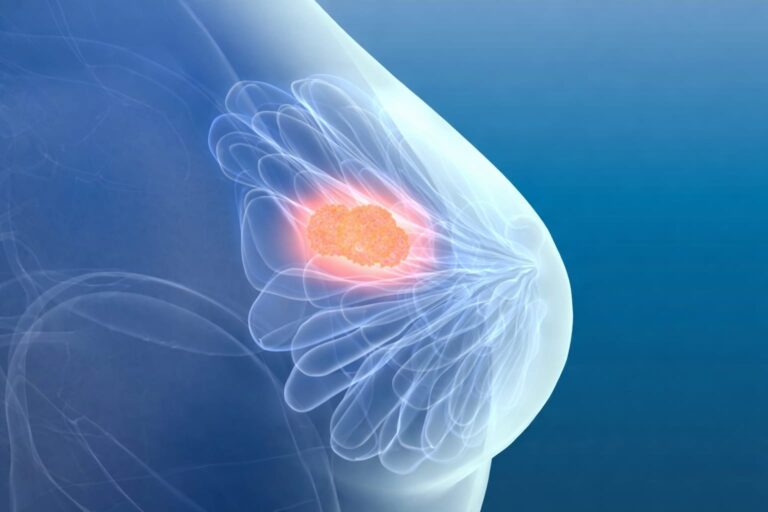
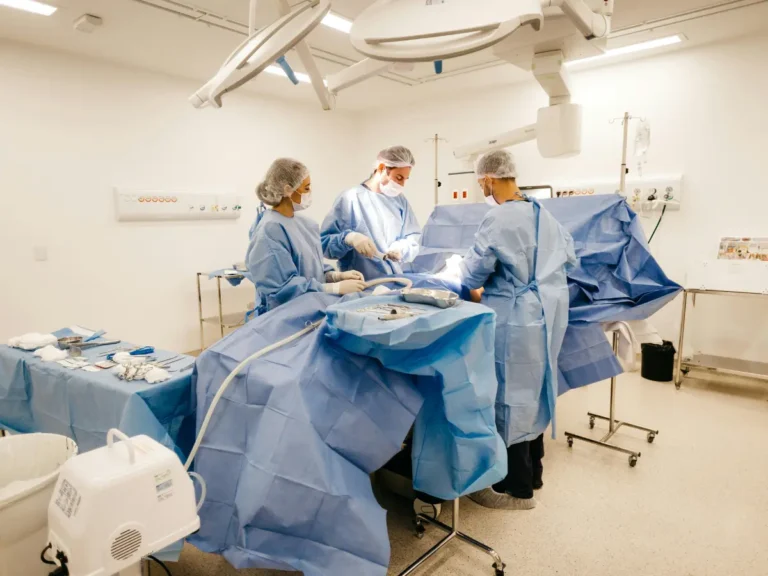
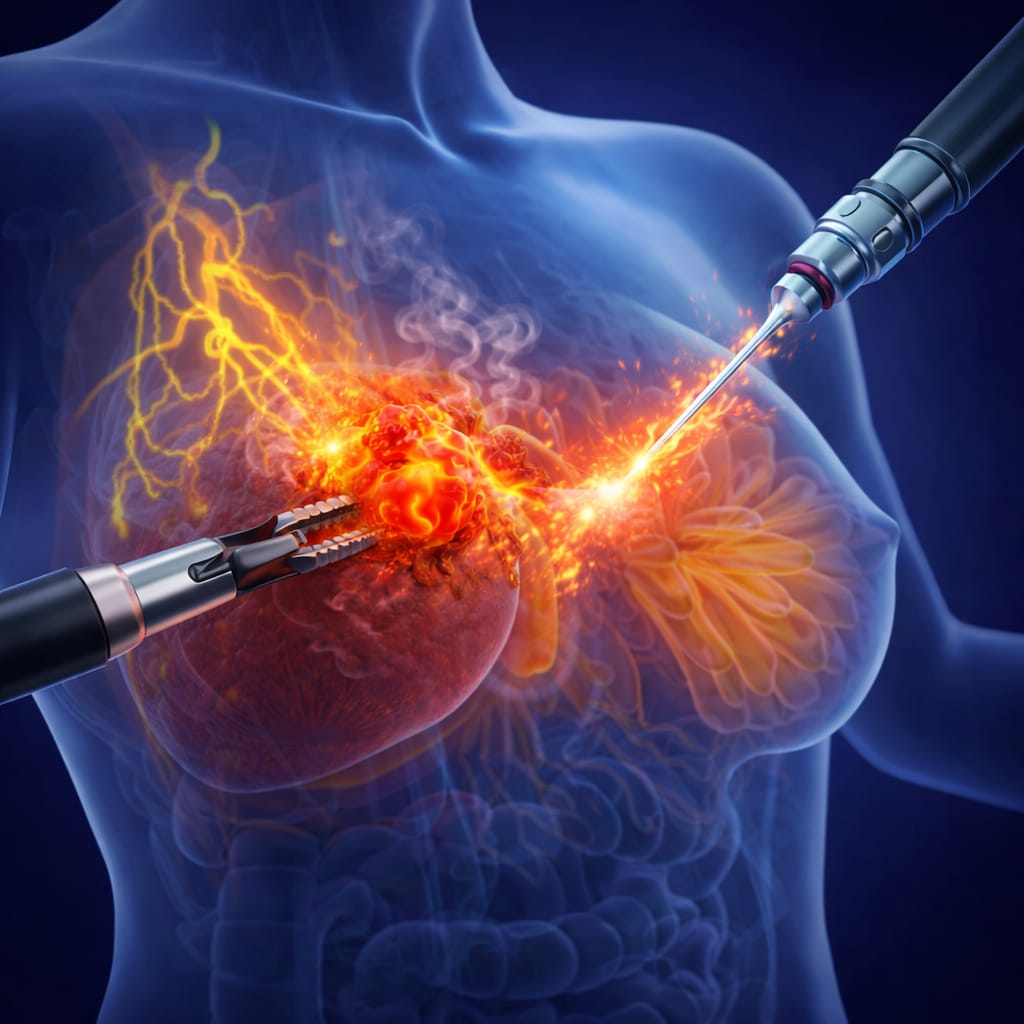
Breast cancer remains one of the most common cancers affecting women worldwide, and timely surgical intervention plays a pivotal role in improving survival outcomes. At Borivali Hospital, under the expert guidance of Dr. Ramkishan Nag, patients receive advanced, compassionate, and precise surgical care tailored to their unique needs. This blog explores the comprehensive aspects of Breast Cancer Surgery in Borivali Hospital, highlighting techniques, patient considerations, and emerging innovations that make treatment safer, more effective, and emotionally supportive.
Meet Dr. Ramkishan Nag: Breast Cancer Surgery in Borivali Hospital
When it comes to surgery on vital organs like the Breast, choosing the right surgeon matters as much as the surgery itself. Dr. Ramkishan Nag is a well-known Surgical Oncologist in Mumbai and Borivali, with over 10 years of experience and more than 1,500 successful surgeries to his name.
He has received advanced post-doctoral fellowship training in minimally invasive surgery and peritoneal surface malignancy from the prestigious Tata Memorial Hospital, Mumbai. His patients trust him not just for his skill but also for his caring, patient-first approach.
He currently practices at Dr. Ramkishan Nag Clinic in Urban Grandeur, Kanakia, Mira Road, and at HCG Cancer Hospital, IC Colony, Borivali West. If you’re thinking of Robotic Thoracic Surgery in Mira Road, it’s comforting to know that such high-level expertise is available locally.
To learn more about Dr. Ramkishan Nag’s experience and qualifications, including his training at Tata Memorial Hospital, visit the official profile page.
Breast Cancer Surgery in Borivali Hospital: Purpose of Surgery
The primary goal of breast cancer surgery is to remove cancerous tissue while preserving as much healthy tissue as possible. Surgery aims to:
Primary Goals of Breast Cancer Surgery
- Tumour Removal and Treatment: The core objective of breast cancer surgery is to remove cancer cells, either by excising the tumor alone (lumpectomy) or removing the entire breast (mastectomy). This removal helps reduce the chance of the cancer returning and serves as the first step toward potential cure, especially for early-stage cancers.
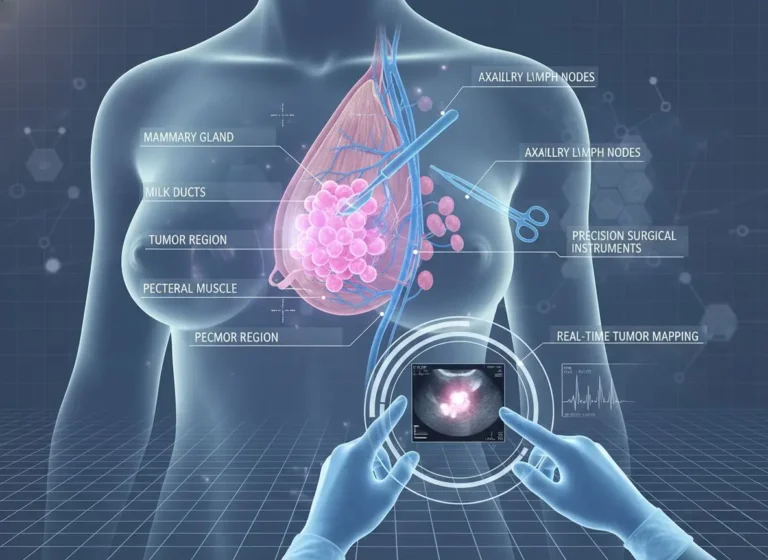
- Diagnostic and Staging Purposes: Surgery can provide critical information about the tumor, such as its type, grade, size, and whether it has spread to nearby lymph nodes. Procedures like sentinel lymph node biopsy or axillary lymph node dissection allow doctors to determine the stage of cancer accurately, guiding further treatment decisions.
- Reconstruction and Cosmetic Considerations: Breast surgery may also aim to preserve or restore the breast’s appearance. For women undergoing mastectomy, reconstructive surgery can rebuild the breast using implants or tissue flaps. Even after lumpectomy, oncoplastic techniques can help maintain breast contour, improving cosmetic outcomes and quality of life.
- Symptom Relief and Quality of Life: In cases where cancer is advanced or metastatic, surgery may be performed to alleviate symptoms, such as removing tumours that cause pain, blockages, or ulceration, even if the surgery is not curative.
Breast Cancer Surgery in Borivali Hospital: Types of Surgery
Breast cancer surgery encompasses several approaches depending on tumour size, stage, and patient preference:
1. Breast-Conserving Surgery (Lumpectomy)
- Removes only the tumour and a small margin of surrounding healthy tissue.
- Preserves most of the breast’s appearance.
- Often followed by radiotherapy to reduce recurrence risk.
- Suitable for early-stage, localized breast cancers.
2. Mastectomy
Removes the entire breast tissue, sometimes including the nipple and areola.
Types of mastectomies include:
- Simple (Total) Mastectomy: Entire breast removal without extensive lymph node surgery.
- Modified Radical Mastectomy (MRM): Breast tissue plus most axillary lymph nodes is removed; chest muscles are preserved.
- Radical Mastectomy: Rare today; removes breast, lymph nodes, and chest muscles.
- Skin-Sparing Mastectomy: Breast tissue removed but most skin retained for reconstruction.
- Nipple-Sparing Mastectomy: Preserves nipple and areola while removing breast tissue.
- Contralateral Prophylactic Mastectomy: Preventive removal of the opposite breast in high-risk patients (e.g., BRCA mutations).
3. Lymph Node Surgery
Determines whether cancer has spread to underarm (axillary) lymph nodes.
- Sentinel Lymph Node Biopsy (SLNB): Removes only the first few lymph nodes draining the tumour area.
- Axillary Lymph Node Dissection (ALND): Removes multiple lymph nodes in the armpit region.
4. Breast Reconstruction
Rebuilds breast shape after mastectomy or partial removal.
Can be done immediately during cancer surgery or delayed until after treatment.
Methods include:
- Implant Reconstruction: Using silicone or saline implants.
- Autologous Flap Reconstruction: Using tissue, fat, and/or muscle from another body area.
- Combination of implants and tissue.
- Partial Breast Reconstruction may correct dimples from lumpectomy using local tissue.
5. Minimally Invasive / Alternative Surgeries
- Cryoablation: Freezes and destroys cancer cells; sometimes used instead of surgery for selected early-stage cases.
- Robotic-Assisted Surgery: Used for precise nipple-sparing mastectomy in select patients for better cosmetic outcomes.
6. Surgical Options for Advanced or Metastatic Cancer
Surgery may be used for symptom relief or removal of isolated metastatic tumours (e.g., in liver, brain, or bones).
The goal is often palliative rather than curative.
- Breast Conserving Surgery Borivali (lumpectomy).
- Mastectomy in Borivali Hospital (partial or total removal).
- Sentinel Node Biopsy Mumbai for lymph node evaluation.
- Breast Cancer Reconstruction Surgery for restoring form and confidence.
- Robotic Breast Surgery Borivali for minimally invasive precision.
Breast Cancer Surgery in Borivali Hospital: Sentinel Lymph Node Biopsy (SLNB)
SLNB is a minimally invasive technique to identify the first lymph node likely to be affected by cancer. Advantages:
- Reduces need for extensive lymph node removal.
- Minimizes complications like lymphedema.
- Provides accurate staging information. Sentinel Node Biopsy Mumbai is a standard practice at Borivali Hospital, ensuring precise cancer mapping.
Breast Cancer Surgery in Borivali Hospital: Axillary Lymph Node Dissection (ALND)
When cancer spreads beyond the sentinel node, ALND may be necessary. This involves removing multiple lymph nodes from the armpit region. While effective, it carries risks such as swelling and numbness. At Borivali Hospital, advanced techniques and rehabilitation programs reduce these side effects.
1. Preoperative Considerations
- Assessment: Clinical examination, imaging (ultrasound, MRI, or mammography) of axilla.
- Anaesthesia: General anaesthesia is used.
- Patient Positioning: The patient is placed supine with the arm abducted to 90°, allowing optimal access to the axilla.
2. Incision and Exposure
- A curvilinear or oblique incision is made along the axillary fold.
- Skin flaps are elevated carefully to preserve the overlying tissues.
3. Lymph Node Identification and Removal
Levels of Axillary Nodes:
- Level I: Lateral to the pectoralis minor muscle.
- Level II: Posterior to the pectoralis minor.
- Level III: Medial to the pectoralis minor (less commonly dissected due to higher morbidity).
Dissection proceeds from lateral to medial, with meticulous preservation of critical neurovascular structures:
- Long thoracic nerve (to serratus anterior muscle).
- Thoracodorsal nerve and vessels.
- Intercostobrachial nerves (sensory, may be sacrificed if necessary).
4. Haemostasis and Closure
- Axillary vessels are carefully ligated to prevent bleeding.
- Drains are usually placed to reduce postoperative seroma formation.
- Incision is closed in layers with absorbable sutures.
Breast Cancer Surgery in Borivali Hospital: Reconstruction Surgery
Breast Cancer Reconstruction Surgery restores the breast’s natural appearance after mastectomy. Options include:
- Implant-based reconstruction.
- Autologous tissue reconstruction (using patient’s own tissue).
- Microvascular techniques for natural results. Dr. Ramkishan Nag emphasizes both physical recovery and emotional healing, ensuring patients regain confidence and well-being.
Breast Cancer Surgery in Borivali Hospital: Preoperative Assessment
Before surgery, patients undergo:
- Imaging (mammogram, MRI).
- Blood tests and cardiac evaluation.
- Oncologist consultation Borivali for treatment planning. This ensures safety, accurate staging, and personalized surgical strategies.
Breast Cancer Surgery in Borivali Hospital: Neoadjuvant Therapy
In some cases, chemotherapy or targeted therapy is given before surgery to shrink tumours. Benefits include:
- Making large tumours operable.
- Allowing breast-conserving surgery.
- Assessing tumour response to treatment. Borivali Hospital integrates neoadjuvant therapy seamlessly into surgical planning.
Breast Cancer Surgery in Borivali Hospital: Surgical Margins
Definition and Importance
A surgical margin is the healthy tissue surrounding the tumour that a surgeon removes during breast surgery. The status of these margins indicates whether the tumour has been fully excised. Margins are assessed by a pathologist after surgery to check for the presence of cancer cells at or near the edge of the tissue. Clear margins reduce the risk of local recurrence and may determine the need for further surgery, chemotherapy, or radiation therapy.
Classification of Margins
Breast cancer surgical margins are generally classified into three types:
- Negative (Clear) Margins: No cancer cells are observed at the edge of the excised tissue. This is the desired outcome, and further surgery may not be necessary, although radiation or systemic therapy may still be administered.
- Positive Margins: Cancer cells are found at the tissue edge, indicating residual tumour may remain. Re-excision or additional intervention is usually recommended to achieve negative margins, particularly in breast-conserving surgery.
- Close Margins: Cancer cells are near but not touching the tissue edge. The need for additional surgery depends on the margin distance, tumour type (in situ vs invasive), tumour location, and planned adjuvant therapy.
For in situ disease, a margin of 2 mm is often recommended, while for invasive cancer, guidelines now commonly accept “no tumour on ink” as adequate.
Guidelines for Margin Width
The definition of an adequate margin has evolved over time:
- Invasive breast cancer: Most guidelines, including those from the American Society of Clinical Oncology, Society of Surgical Oncology, and NCCN, recommend that no tumour be present on inked margins.
- Ductal carcinoma in situ (DCIS): A 2 mm margin is often suggested to minimize recurrence.
- Re-excision decisions: Factors like patient age, tumour biology, radiotherapy, and systemic therapy influence whether additional tissue removal is needed.
Evidence shows that excessively wide margins do not significantly improve local control when adjuvant therapies are used.
Intraoperative Assessment Techniques
To improve the likelihood of negative margins in a single operation, various intraoperative techniques may be used:
- Frozen Section Analysis (FSA): Evaluates tissue in real-time, allowing immediate re-excision if needed. It has demonstrated high accuracy but may be time-consuming and requires expertise.
- Cavity Shaving: Systematically removes small amounts of tissue from all margins to reduce residual tumour. Studies show this technique lowers positive margin rates and often preserves cosmesis.
- Intraoperative Imaging: Techniques like specimen radiography or ultrasonography help visualize the tumour and margins during surgery, supporting more precise excisions.
- Emerging Technologies: Tools such as optical coherence tomography, mass spectrometry, and AI-assisted imaging are under investigation for real-time margin assessment but are not yet widely standardized.
Factors Affecting Local Recurrence
Local recurrence rates after surgery are influenced by both margin status and tumour/host factors:
- Age and tumour biology: Higher recurrence risk in younger patients and those with triple-negative or HER2-positive cancers.
- Tumour grade and genetics: High-grade tumours and certain genetic mutations (like BRCA) may increase recurrence risk.
- Systemic therapy and radiotherapy: Effective use of chemotherapy, endocrine therapy, and radiation significantly reduces recurrence risk, sometimes more than margin width alone.
- Surgical technique and specimen handling: Accurate orientation, inking, and pathological assessment help optimize margin clearance and guide re-excision decisions.
Clear surgical margins are critical to prevent recurrence. Surgeons at Borivali Hospital use intraoperative pathology and imaging to confirm margins during surgery, reducing the need for repeat procedures.
Breast Cancer Surgery in Borivali Hospital: Minimally Invasive Techniques
Robotic Breast Surgery Borivali and laparoscopic methods allow:
- Smaller incisions.
- Less pain and scarring. Faster recovery. These advanced techniques reflect Dr. Ramkishan Nag’s commitment to precision and patient comfort.
Breast Cancer Surgery in Borivali Hospital: Postoperative Complications
Possible complications include:
- Infection.
- Bleeding.
- Lymphedema.
- Numbness or stiffness.
Borivali Hospital emphasizes risk management through careful monitoring, rehabilitation, and patient education.
Breast Cancer Surgery in Borivali Hospital: Recovery Time
Recovery varies by procedure:
- Lumpectomy: 1–2 weeks.
- Mastectomy: 4–6 weeks.
- Reconstruction: longer depending on complexity.
Post-Surgery Rehabilitation breast cancer programs at Borivali Hospital help patients regain strength and mobility quickly.
Breast Cancer Surgery in Borivali Hospital: Impact on Sentinel Node
1. Role in Cancer Staging
- The SLN is the most likely site to harbor metastatic tumor cells initially.
- Negative SLNs generally indicate the remainder of the axillary nodes are uninvolved, obviating the need for extensive axillary lymph node dissection (ALND).
- Extensive histological evaluation of the SLN, including serial sections, immunohistochemistry, and molecular assays, allows detection of micro-metastases or isolated tumor cells, refining TNM staging (pN0, pN1mi).
2. Therapeutic and Prognostic Implications
- SLN biopsy primarily provides diagnostic and prognostic information, not direct therapeutic advantage.
- Removal of 1-4 sentinel nodes accurately stage the axilla while preserving lymphatic function.
- SLN negativity strongly predicts low likelihood of further nodal metastases, especially in early-stage breast cancer (T1–T2, clinically node-negative, N0).
3. Surgical Technique and Variations
- Tracer Methods: Radiocolloids (e.g., 99mTc-labeled substances) often combined with blue dyes (isosulfan or methylene blue) to improve localization.
- Injection Sites: Peritumoral or peri-areolar injections; peri-areolar is easier and effective for axillary staging, while peritumoral better identifies extra-axillary nodes.
- Intraoperative Detection: Gamma probes and visual dye guidance help locate SLNs.
- Node Retrieval: Typically, 1–4 nodes are removed; more nodes increase the risk of complications without improving survival.
4. Clinical and Systemic Impact
Reduced Morbidity vs ALND: SLN biopsy has significantly lower rates of:
- Lymphedema (≈4–5% vs 16–23% after ALND)
- Sensory disturbances
- Arm stiffness and functional impairment
Complications:
- Lymphedema risk increases with additional nodes removed.
- Standard complications include seroma, hematoma, minor infection, and rare allergic reactions to dyes.
Recovery: Shorter operation times, reduced blood loss, less drainage, and earlier hospital discharge.
5. Influence on Adjuvant Treatment
Modern treatment increasingly relies on tumor biology rather than nodal counts.
For low-risk, early-stage patients (especially hormone receptor-positive, HER2-negative):
- Omitting SLN biopsy may be feasible without compromising survival or axillary control.
- Clinical trials (INSEMA, SOUND) show axillary recurrence rates <1% when SLNB is omitted in selected patients.
In high-risk or larger tumors (T2 or higher) or patients with aggressive histology, SLN biopsy remains critical for staging and treatment stratification.
6. Psychological and Quality-of-Life Benefits
- Avoiding extensive lymph node surgery reduces physical discomfort and risk of chronic complications.
- Preserves arm function and cosmetic outcomes, improving overall post-surgical quality of life.
7. Future Directions
- De-escalation of axillary surgery based on tumor biology to avoid unnecessary SLNB in carefully selected populations.
- Integration with radiotherapy and systemic therapies to maintain locoregional control while minimizing morbidity.
- Personalized approaches guided by molecular profiling and risk stratification.
The sentinel node biopsy minimizes unnecessary lymph node removal, reducing complications while providing accurate staging. This innovation has transformed breast cancer surgery in Mumbai.
Breast Cancer Surgery in Borivali Hospital: Risk Management
Risk management strategies include:
- Preoperative counselling.
- Infection control protocols.
- Rehabilitation support.
- Psychological care to address anxiety and depression.
Breast Cancer Surgery in Borivali Hospital: Combination with Other Treatments
Surgery is often combined with:
- Chemotherapy.
- Radiation therapy.
- Hormonal therapy.
- Targeted therapy.
At HCG/Sun Cancer Treatment Borivali, multidisciplinary teams ensure comprehensive care.
Breast Cancer Surgery in Borivali Hospital: Psychological Considerations
Breast cancer surgery impacts body image and emotional health. Counselling, support groups, and reconstructive options help patients cope. Dr. Ramkishan Nag’s compassionate approach ensures holistic healing.
Breast Cancer Surgery in Borivali Hospital: Follow-Up Care
Follow-up care includes:
- Regular check-ups.
- Imaging to detect recurrence.
- Lifestyle guidance.
- Emotional support.
Patients are monitored closely to ensure long-term wellness.
Breast Cancer Surgery in Borivali Hospital: Patient Selection
Not all patients require the same surgery. Factors influencing selection:
- Tumour size and stage.
- Genetic predisposition.
- Patient preference.
- Overall health status.
Breast Cancer Surgery in Borivali Hospital: Emerging Techniques
Innovations in breast cancer surgery include:
- Robotic-assisted mastectomy.
- Oncoplastic surgery combining cancer removal with cosmetic techniques.
- Intraoperative radiation therapy. Borivali Hospital remains at the forefront of these advancements.
Final Thoughts
Breast cancer surgery is not just about removing a tumour it is about restoring health, confidence, and hope. At Borivali Hospital, guided by the expertise of Dr. Ramkishan Nag, patients receive world-class surgical care that blends advanced technology with compassionate support. From lumpectomy to reconstruction, every step is designed to empower patients physically and emotionally. With emerging techniques like robotic surgery and comprehensive rehabilitation programs, Borivali Hospital stands as a beacon of excellence in breast cancer treatment, ensuring that every patient heals with dignity, strength, and renewed confidence.
How to Book a Consultation
To learn more about whether Robotic Thoracic Surgery in Mira Road is right for you, book a consultation with Dr. Ramkishan Nag today.
You can reach out here:
Dr. Ramkishan Nag Clinic
HCG Cancer Hospital, Holy Cross Road, IC Colony, Borivali West
Also available at Urban Grandeur, Kanakia, Mira Road, Mumbai
Phone: +91-9827080338
Email: ramkishannag@gmail.com
Website: www.drramkishannag.com
FAQs
Q1: What is the difference between lumpectomy and mastectomy in Borivali Hospital?
Lumpectomy preserves the breast by removing only the tumour, while mastectomy involves complete breast removal. Both are available at Borivali Hospital depending on patient needs.
Q2: Is breast cancer reconstruction surgery safe?
Yes, reconstruction is safe and performed using advanced techniques. Options include implants and autologous tissue reconstruction, ensuring natural results.
Q3: What is sentinel node biopsy Mumbai?
It is a minimally invasive procedure to identify the first lymph node affected by cancer, reducing the need for extensive lymph node removal.
Q4: How long is recovery after breast cancer surgery?
Recovery varies: lumpectomy takes 1–2 weeks, mastectomy 4–6 weeks, and reconstruction may take longer. Rehabilitation programs support faster healing.
Q5: Does Borivali Hospital offer robotic breast surgery?
Yes, Robotic Breast Surgery Borivali is available, offering precision, minimal scarring, and faster recovery.
Q6: Can surgery be combined with other treatments?
Absolutely. At HCG/Sun Cancer Treatment Borivali, surgery is integrated with chemotherapy, radiation, and targeted therapies for comprehensive care.
Breast Cancer Surgery In Borivali Hospital Breast Cancer Surgery In Borivali Hospital Breast Cancer Surgery In Borivali Hospital Breast Cancer Surgery In Borivali Hospital Breast Cancer Surgery In Borivali Hospital Breast Cancer Surgery In Borivali Hospital Breast Cancer Surgery In Borivali Hospital Breast Cancer Surgery In Borivali Hospital Breast Cancer Surgery In Borivali Hospital Breast Cancer Surgery In Borivali Hospital Breast Cancer Surgery In Borivali Hospital Breast Cancer Surgery In Borivali Hospital Breast Cancer Surgery In Borivali Hospital Breast Cancer Surgery In Borivali Hospital Breast Cancer Surgery In Borivali Hospital Breast Cancer Surgery In Borivali Hospital Breast Cancer Surgery In Borivali Hospital
Newsletter Updates
Enter your email address below and subscribe to our newsletter