Book Appointment Now

Hope and Healing Begin with Colonoscopy and Cancer Screening in Mira Road
Step into the beginning—where ideas ignite and clarity unfolds
Colorectal cancer is one of the leading causes of cancer‑related deaths worldwide, yet it is also among the most preventable. With timely screening, early detection, and expert medical guidance, patients can dramatically reduce their risk. As a trusted specialist, Dr. Ramkishan Nag emphasizes the importance of Colonoscopy and Cancer Screening in Mira Road, offering advanced diagnostic services and compassionate care. His clinic provides comprehensive solutions, from preventive checkups to specialized treatment, ensuring that patients receive world‑class medical attention close to home.
Meet Your Expert: A Surgeon Who Cares
Before we dive in, we want to introduce you to the expert behind this care Dr. Ramkishan Nag. Dr. Ramkishan Nag is a surgical oncologist in Mira Road who specializes in these precise, life-changing procedures.
With over ten years of experience and training from the renowned Tata Memorial Hospital, Dr. Ramkishan Nag has performed more than 1,500 successful cancer surgeries. But what truly sets him apart is his philosophy. He believes that treating cancer is not just about removing disease; it’s about caring for the whole person. When you meet with him, you’ll find a doctor who listens, explains things clearly, and treats you with the compassion and respect you deserve.
Colonoscopy and Cancer Screening in Mira Road: Purpose
What is Colonoscopy?
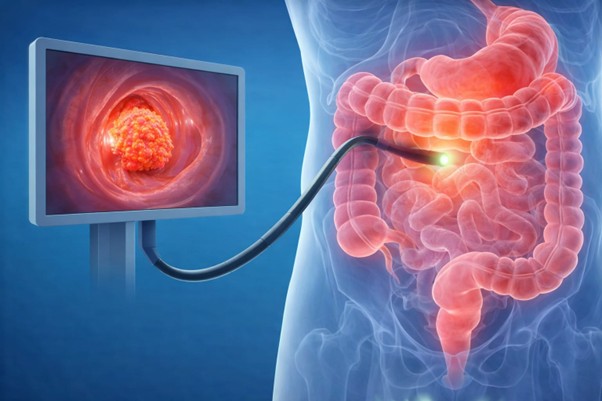
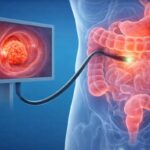
A colonoscopy is a medical procedure in which a flexible tube with a camera (colonoscope) is inserted through the rectum to examine the entire colon and rectum. It provides a real-time view of the colon lining, enabling doctors to identify abnormalities such as polyps, tumours, inflammation, ulcers, or bleeding. The procedure can also be therapeutic, as polyps can be removed immediately during the test, preventing them from developing into cancer
The purpose of colonoscopy is twofold: prevention and diagnosis. It allows doctors to visualize the inner lining of the colon and rectum, detect abnormalities, and remove polyps before they become cancerous. Colonoscopy is considered the gold standard in Colorectal Cancer Screening Mira Road because it not only identifies problems but also provides immediate intervention. For patients, this means peace of mind and a proactive approach to health.
Role in Cancer Prevention
Most colorectal cancers begin as small, benign growths called polyps. If left untreated, some polyps can progress to cancer over several years. Colonoscopy allows early identification and removal of these polyps, significantly reducing the risk of cancer. Studies show that regular screening can reduce the incidence of colon cancer by up to 60–90% and improve survival rates when cancer is detected early, with five-year survival reaching nearly 90%.
Diagnostic and Preventive Benefits
Colonoscopy serves both diagnostic and preventive roles. It can detect:
- Early-stage colorectal cancer before symptoms appears
- Pre-cancerous polyps that can be removed immediately
- Digestive disorders such as ulcerative colitis, Crohn’s disease, diverticulosis, and bleeding conditions
- Structural abnormalities like strictures or blockages
This dual function makes it the most comprehensive screening method compared to other tests such as stool-based examinations or CT colonography.
Who Should Get Screened?
Average risk adults are advised to start routine screening at age 45, continuing until age 75, usually every 10 years if no abnormalities are found.
High risk individuals those with a family history of colorectal cancer, prior polyps, inflammatory bowel disease, or genetic syndromes may start screening earlier and at more frequent intervals.
Those showing symptoms such as rectal bleeding, unexplained weight loss, or persistent abdominal pain should be evaluated promptly regardless of age.
Colonoscopy and Cancer Screening in Mira Road: Screening Age
Medical guidelines recommend colonoscopy screening beginning at age 45 for average risk individuals. However, those with a family history of colorectal cancer, inflammatory bowel disease, or genetic syndromes may need to start earlier. During Preventive Health Checkup Mira Road consultations, Dr. Ramkishan Nag carefully evaluates each patient’s risk factors and advises on the most appropriate age to begin screening. This personalized approach ensures that no patient is overlooked.
Recommended Age for Average-Risk Adults
People considered at average risk—those with no personal or family history of colorectal cancer, certain polyps, inflammatory bowel disease, or hereditary syndromes should begin screening at age 45. This recommendation comes from major organizations including the American Cancer Society and the US Preventive Services Task Force, reflecting recent data showing an increase in colorectal cancer among younger adults. Screening typically continues through age 75, after which decisions should be personalized based on life expectancy, overall health, and prior screening. Individuals aged 76 to 85 may be screened selectively, while screening is generally not recommended after 85.
Higher-Risk Individuals
Screening should begin earlier than 45 for individuals with:
- A first degree relative diagnosed with colorectal cancer or advanced polyps (start at age 40 or 10 years before the youngest affected relative).
- Personal history of colorectal cancer or adenomatous polyps.
- Inflammatory bowel diseases such as Crohn’s disease or ulcerative colitis.
- Certain hereditary syndromes like Lynch syndrome or familial adenomatous polyposis (FAP). Prior abdominal or pelvic radiation.
In these cases, colonoscopy is preferred, often repeated more frequently than every 10 years, depending on individual risk factors and previous findings.
Screening Methods and Intervals
1. Colonoscopy:
- Visual exam of the entire colon, usually every 10 years for average-risk adults. Polyp removal can be performed during the procedure.
2.Stool-based tests:
- Faecal immunochemical test (FIT), annually
- Guaiac-based faecal occult blood test (gFOBT), annually
- Multi-target stool DNA test (FIT-DNA), every 3 years.
3.Other visual exams:
- Flexible sigmoidoscopy, every 5 years
- CT colonography (virtual colonoscopy), every 5 years.
Abnormal results from stool-based tests require follow-up colonoscopy. The choice of screening depends on personal preferences, health status, and availability.
Colonoscopy and Cancer Screening in Mira Road: Preventive Tool
Colonoscopy is more than a diagnostic test it is a preventive measure. Polyps discovered during the procedure can be removed instantly, preventing them from developing into cancer. This makes colonoscopy one of the most effective tools in Early Cancer Detection Mira Road. By eliminating precancerous growths, patients reduce their risk significantly, making colonoscopy a cornerstone of preventive healthcare.
1. Colonoscopy
- Procedure: A flexible tube with a camera (colonoscope) is inserted into the rectum to examine the entire colon.
- Preventive Advantage: Detects and removes polyps during the same procedure, significantly reducing future cancer risk.
- Frequency: Recommended every 10 years for average-risk adults starting at age 45–50; more frequent for those with higher risk (family history, polyposis syndromes, inflammatory bowel disease).
2. Noninvasive Stool-Based Tests
While these tests do not prevent cancer, they help detect early signs and may trigger colonoscopy if abnormalities are found:
- Fecal Immunochemical Test (FIT): Detects hidden blood in the stool, usually done at home. Recommended annually or biennially depending on guidelines.
- Fecal Occult Blood Test (FOBT): Guaiac-based testing for microscopic blood in the stool, recommended every 1–2 years.
- Stool DNA Test: Detects both DNA mutations associated with colorectal cancer and blood, done every 3 years.
3. Flexible Sigmoidoscopy
- Examines only the lower colon and rectum.
- Can remove polyps in this area, offering partial preventive capability.
- Less invasive than colonoscopy but does not evaluate the whole colon.
4. Imaging Alternatives
- CT Colonography (Virtual Colonoscopy): Uses CT scanning to create a visual map of the colon. May detect polyps and anomalies but still requires colonoscopy for removal.
- Double Contrast Barium Enema: X-ray imaging method; limited preventive capacity as small polyps may be missed.
5. Lifestyle Measures for Risk Reduction
Although not a direct substitute for colonoscopy, lifestyle modifications reduce the incidence of precancerous growths:
- Maintain a healthy weight and engage in regular physical activity.
- Eat a diet rich in fruits, vegetables, and whole grains, while limiting red and processed meats.
- Limit alcohol consumption and avoid tobacco.
- Ensure sufficient calcium and vitamin D intake as they may offer protective effects.
6. Medication Considerations
- Some studies suggest aspirin or other NSAIDs may reduce polyp formation, but routine use is not recommended without medical supervision due to potential side effects.
Colonoscopy and Cancer Screening in Mira Road: Early Detection
Early detection saves lives. Colonoscopy identifies cancer at its earliest stages, when treatment is most effective and less invasive. Patients who undergo Colonoscopy Services Mira Road benefit from reduced treatment complexity, higher survival rates, and improved quality of life. Dr. Ramkishan Nag emphasizes that early detection often means avoiding major surgery and aggressive therapies, allowing patients to maintain normal routines.
Colonoscopy and Cancer Screening in Mira Road: Procedure
The colonoscopy procedure involves:
- Insertion of a flexible tube with a camera into the rectum.
- Real‑time visualization of the colon lining.
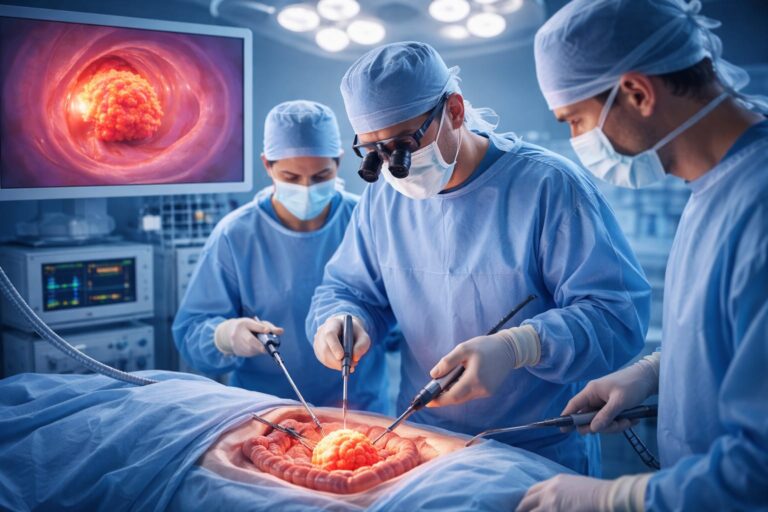
- Removal of polyps or biopsy of suspicious tissue.
The entire process usually takes 30–60 minutes. At Dr. Ramkishan Nag’s clinic, every Colonoscopy and Cancer Screening in Mira Road is performed with precision, safety, and patient comfort in mind. Patients are monitored closely, and advanced equipment ensures accurate results.
Colonoscopy and Cancer Screening in Mira Road: Preparation Before Operation
Preparation is critical for accurate results. Patients are guided through:
- Dietary restrictions (low‑fibre diet before the test)
- Bowel cleansing with prescribed solutions
- Hydration to maintain electrolyte balance
Dr. Ramkishan Nag’s team provides detailed instructions as part of Cancer Screening Packages Mira Road, ensuring patients are fully prepared. Proper preparation allows doctors to clearly visualize the colon and detect even the smallest abnormalities.
Colonoscopy and Cancer Screening in Mira Road: Sedation
Colonoscopy is performed under mild sedation to minimize discomfort. Patients remain relaxed and pain‑free throughout the process. Sedation ensures that the procedure is smooth and stress‑free, making Colonoscopy Services Mira Road accessible to all patients, including those who may feel anxious about medical tests.
Purpose of Sedation
Colonoscopy involves passing a flexible tube with a camera through the rectum and colon. This can cause discomfort, abdominal cramping, bloating, or anxiety. Sedation is primarily used to:
- Alleviate pain and discomfort arising from colon distension, looping of the scope, or therapeutic interventions like polyp removal.
- Reduce anxiety and stress, improving patient cooperation and stillness during the procedure.
- Enhance procedural success, allowing thorough inspection of the colon and detection of dysplastic or neoplastic lesions, which is critical for colorectal cancer prevention.
Types of Sedation
1.Minimal or Light Sedation (Anxiolysis): The patient remains awake but relaxed, often using mild drugs like midazolam.
2.Moderate Sedation (Conscious Sedation): Commonly combines a benzodiazepine (e.g., midazolam) with an opioid (e.g., fentanyl). Patients may drift in and out of sleep but can respond to verbal cues.
3.Deep Sedation: Typically administered using propofol by an anesthesia professional. The patient is unconscious, does not feel pain, and usually has no memory of the procedure.
4.General Anaesthesia: Rarely used, involving complete unconsciousness with breathing assistance in select high-risk situations.
Colonoscopy and Cancer Screening in Mira Road: Frequency
For average‑risk individuals, colonoscopy is recommended every 10 years. High‑risk patients may require more frequent screenings, sometimes every 3–5 years. Regular Preventive Health Checkup Mira Road consultations help determine the right schedule for each patient. Dr. Ramkishan Nag emphasizes that frequency depends on findings patients with polyps may need earlier follow‑ups.
Colonoscopy and Cancer Screening in Mira Road: Signs Detected
Colonoscopy can detect:
- Polyps
- Inflammation
- Ulcers
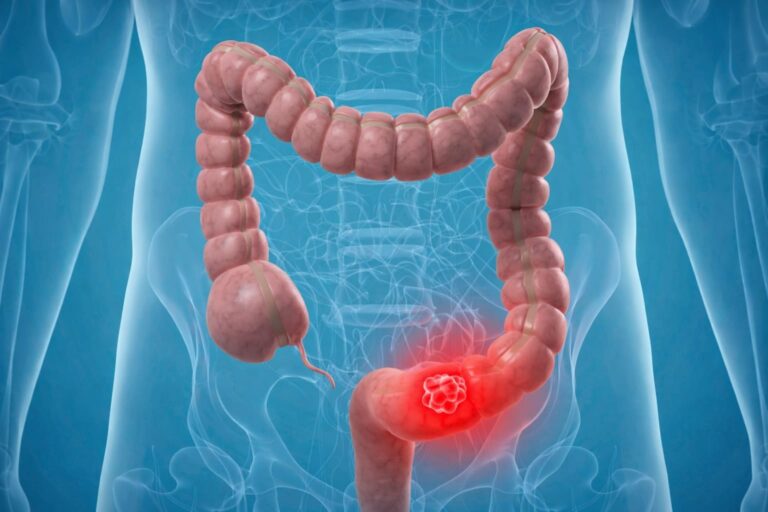
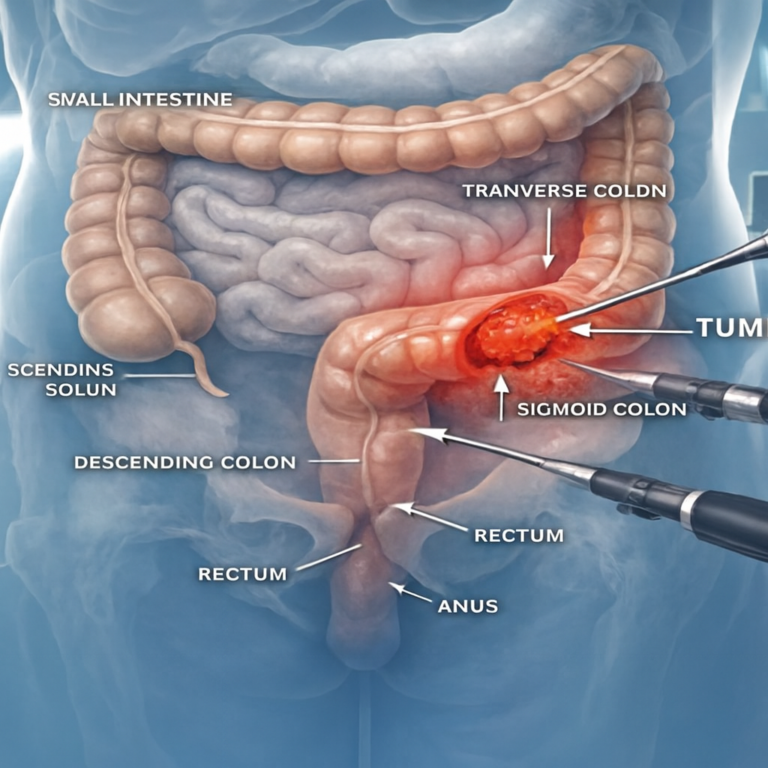
- Tumours
- Bleeding sources
These findings guide treatment plans under the expertise of a Colon Cancer Specialist Mira Road like Dr. Ramkishan Nag. Detecting these signs early allows for immediate intervention, preventing progression to advanced cancer.
Colonoscopy and Cancer Screening in Mira Road: Symptoms Prompting Screening
Patients should seek screening if they experience:
- Persistent abdominal pain
- Blood in stool
- Unexplained weight loss
- Chronic constipation or diarrhoea
- Family history of colorectal cancer
These symptoms warrant immediate consultation with a Gastroenterologist Mira Road. Ignoring them can delay diagnosis and reduce treatment success rates.
Colonoscopy and Cancer Screening in Mira Road: Alternatives
While colonoscopy is the gold standard, alternatives include:
- Faecal occult blood test (FOBT)
- Stool DNA test
- Flexible sigmoidoscopy
- CT colonography
Dr. Nag discusses these options during Cancer Screening Packages Mira Road, ensuring patients make informed choices. While alternatives are useful, they may not provide the same level of accuracy or immediate intervention as colonoscopy.
Colonoscopy and Cancer Screening in Mira Road: Recovery After Surgery
Recovery after colonoscopy is quick. Patients may feel mild bloating but can resume normal activities within hours. Dr. Ramkishan Nag’s team provides post‑procedure guidance, including dietary advice and follow‑up schedules. With proper care, recovery after Colonoscopy Services Mira Road is smooth and uncomplicated.
Colonoscopy and Cancer Screening in Mira Road: Public Health Impact
Colonoscopy has transformed public health by reducing colorectal cancer mortality rates. Widespread screening programs have saved countless lives. In Mira Road, Dr. Ramkishan Nag’s clinic contributes to this impact by offering Portable Colonoscopy Unite Mumbai, extending services to underserved communities. This innovation ensures that even patients in remote areas have access to life‑saving screening.
Want to Talk? Dr. Ramkishan Nag is Here for You
You can book a consultation with Dr. Ramkishan Nag at his clinic in Urban Grandeur, Kanakia, Mira Road, Mumbai.
Call: +91-9827080338
Email: ramkishannag@gmail.com
Let’s talk about what’s possible for you because your recovery deserves more than survival; it deserves peace, confidence, and comfort, too.
Final Thoughts
Colonoscopy is more than a medical test it is a lifesaving intervention. With Dr. Ramkishan Nag’s expertise in Colonoscopy and Cancer Screening in Mira Road, patients gain access to preventive care, early detection, and advanced treatment. His clinic stands as a beacon of hope, ensuring that every patient receives the best chance at a healthy future.
FAQs
Q1: What is the recommended age for colonoscopy screening in Mira Road?
Screening typically begins at age 45, but earlier for high‑risk individuals. Consult Dr. Ramkishan Nag during a Preventive Health Checkup Mira Road for personalized guidance.
Q2: How does colonoscopy help in early cancer detection?
It identifies polyps and abnormal growths before they turn cancerous, making it a cornerstone of Early Cancer Detection Mira Road.
Q3: Are colonoscopy services available in Mira Road?
Yes, Dr. Ramkishan Nag offers advanced Colonoscopy Services Mira Road, ensuring safe and effective screening.
Q4: Who is the best colon cancer specialist in Mira Road?
Dr. Ramkishan Nag is recognized as a leading Colon Cancer Specialist Mira Road, providing expert care and treatment.
Q5: What are the alternatives to colonoscopy?
Options include stool tests, sigmoidoscopy, and CT colonography, available under Cancer Screening Packages Mira Road.
Q6: Is colonoscopy safe?
Yes, it is a safe procedure with minimal risks, performed under sedation by an experienced Gastroenterologist Mira Road.
Q7: How does portable colonoscopy benefit patients in Mumbai?
The Portable Colonoscopy Unite Mumbai extends screening services to remote areas, improving accessibility and public health outcomes.
Colonoscopy And Cancer Screening In Mira Road Colonoscopy And Cancer Screening In Mira Road Colonoscopy And Cancer Screening In Mira Road Colonoscopy And Cancer Screening In Mira Road Colonoscopy And Cancer Screening In Mira Road Colonoscopy And Cancer Screening In Mira Road Colonoscopy And Cancer Screening In Mira Road Colonoscopy And Cancer Screening In Mira Road Colonoscopy And Cancer Screening In Mira Road Colonoscopy And Cancer Screening In Mira Road Colonoscopy And Cancer Screening In Mira Road Colonoscopy And Cancer Screening In Mira Road Colonoscopy And Cancer Screening In Mira Road Colonoscopy And Cancer Screening In Mira Road Colonoscopy And Cancer Screening In Mira Road Colonoscopy And Cancer Screening In Mira Road
Newsletter Updates
Enter your email address below and subscribe to our newsletter