Book Appointment Now
Best Advanced Breast Cancer Treatment In Mira Road- Trusted Oncology Specialist
Essentials
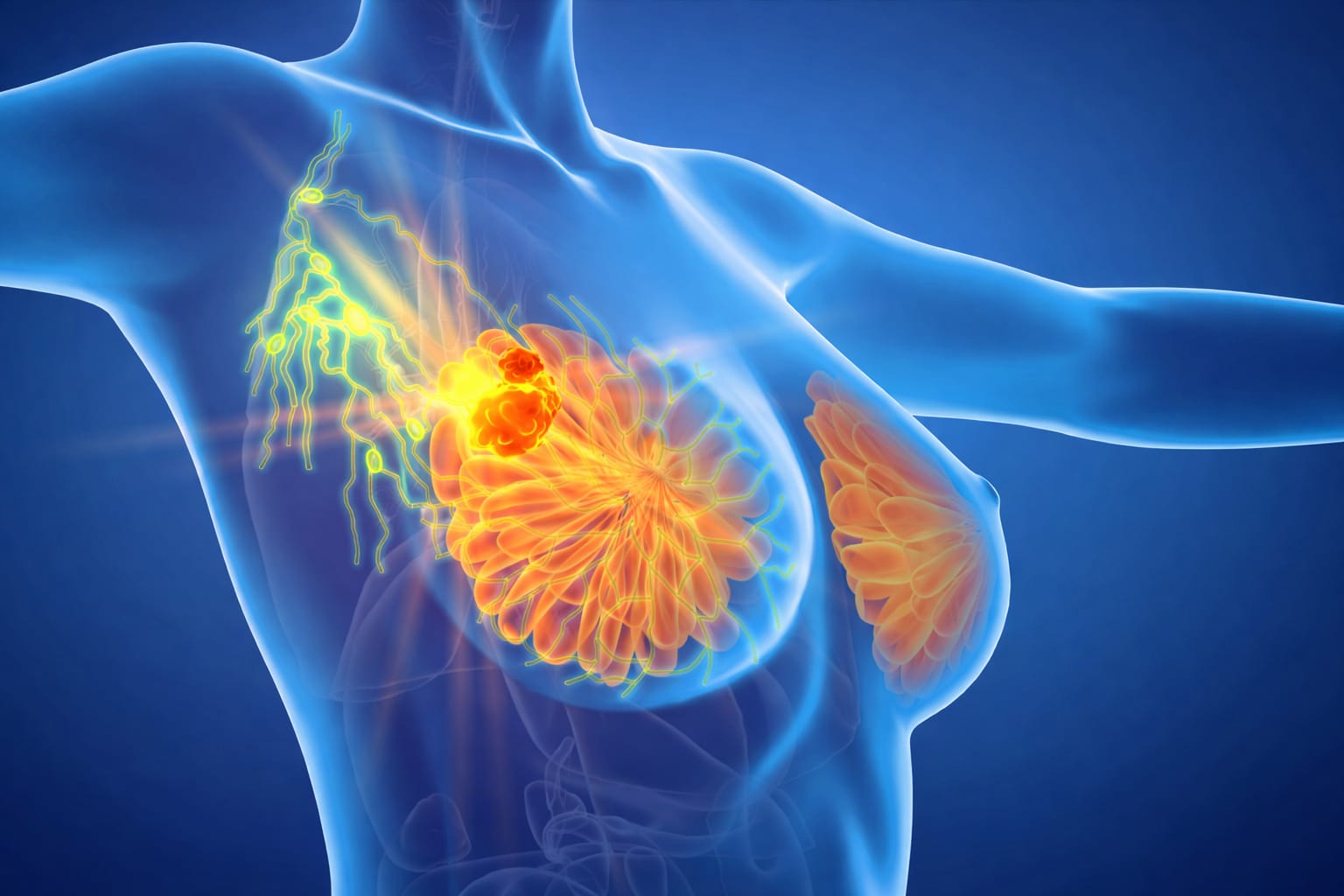
Advanced Breast cancer treatment in Mira Road. Breast cancer remains one of the most pressing health challenges worldwide, and surgical intervention continues to play a pivotal role in its management. With the evolution of medical science, Advanced breast cancer Surgery has transformed from traditional approaches into highly sophisticated, patient-centred procedures. Today, patients benefit from precision, minimally invasive techniques, and integrated treatment strategies that not only improve survival rates but also enhance quality of life. In this blog, we explore the latest advancements in breast cancer surgery, focusing on innovations that are reshaping patient care in Mira Road and Mumbai.
Who’s the Doctor You Can Trust in Mira Road?
If you live in or around Mira Road, Dr. Ramkishan Nag is one of the top names you’ll hear when it comes to expert cancer surgery. He’s a Surgical Oncologist with over 10 years of hands-on experience and more than 1,500 cancer surgeries to his name.
Dr. Ramkishan Nag trained at Tata Memorial Hospital, Mumbai one of the most respected cancer centres in India and he specializes in advanced procedures like robotic, laparoscopic, and organ-saving surgeries. What truly sets him apart, though, is how he talks to his patients. His approach is honest, compassionate, and always focused on what’s best for you and your recovery physically and emotionally. He currently sees patients at his clinic in Urban Grandeur, Kanakia, Mira Road.
Let’s Understand Advanced Breast Cancer Treatment in Mira Road
Precision and Personalized Surgery Are Taking Centre Stage in Advanced Breast Cancer Treatment in Mira Road
Precision and personalized surgery are revolutionizing the treatment of breast cancer. These innovative approaches focus on tailoring treatments to individual patient needs, leading to improved outcomes and reduced side effects. Key advancements include:
- Immunotherapy: Harnessing the body’s immune system to target cancer cells, showing promise in some breast cancer patients.
- Precision Surgery: Utilizing advanced imaging and localization tools to minimize damage to healthy tissue, resulting in less invasive procedures and better cosmetic outcomes.
- Genomic Testing: Analyzing specific genes to identify mutations that may increase the risk of developing breast cancer, guiding treatment decisions and screening strategies.
- Targeted Therapies: Medications designed to target specific proteins, or genetic marker present in cancer cells, increasing their effectiveness while minimizing damage to healthy cells.
Minimally Invasive & Robotic Techniques Reduce Trauma in Advanced Breast Cancer Treatment in Mira Road
1. Core Advantages of Minimally Invasive Approaches
- Smaller incisions: Surgical entry points are reduced, typically hidden in the axilla or peri areolar areas, enhancing cosmetic outcomes and minimizing scarring.
- Reduced donor site morbidity: In autologous flap procedures (e.g., latissimus dorsi [LD] and deep inferior epigastric perforator [DIEP] flaps), robotic dissection decreases tissue disruption, pain, and wound complications.
- Lower postoperative complications: Minimizing incision size and manipulation of surrounding tissues reduces blood loss, infection risk, seroma, hematoma, and lymphedema.
- Faster recovery: Patients often resume daily activities within 1-3 weeks, with hospital stays as short as 1–2 days for robotic procedures.
- Improved precision: Robotic systems enhance dexterity, tremor elimination, 3D visualization, and ergonomic control, allowing exact tumor excision and nerve-sparing procedures.
2. Key Minimally Invasive Surgical Techniques
2.1 Endoscopic-Assisted Surgery
- Uses small incisions with camera assistance.
- Techniques include dual incision or single incision approaches, performing mastectomy or breast conserving surgery.
- Advantages: Oncoplastic precision, reduced tissue trauma, and smaller scars.
- Limitations: Steep learning curve limited anatomical reach, longer operative times for beginners.
2.2 Robotic-Assisted Surgery
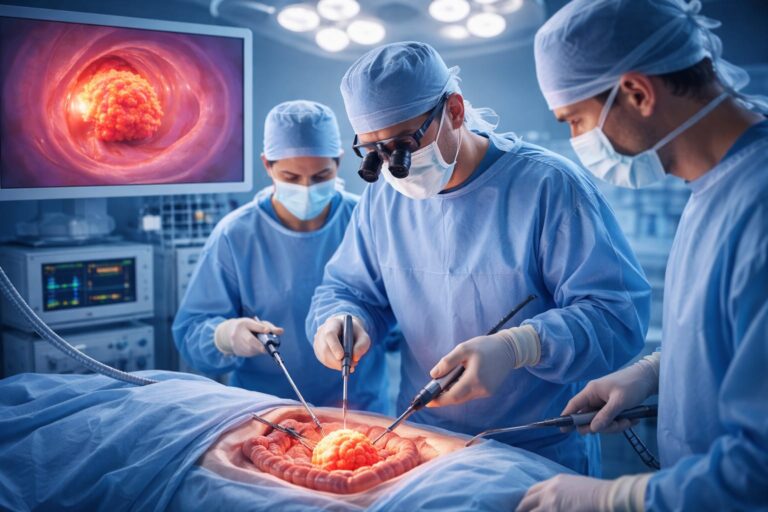
- Employs platforms like the Da Vinci X or Si robot, enabling multiarmed instrument manipulation under 3D magnified vision.
- Applications include:
- Nipple-sparing mastectomy (NSM).
- Latissimus dorsi (LD) flap reconstruction.
- Deep inferior epigastric perforator (DIEP) flap reconstruction.
- Sentinel lymph node biopsy (SLNB) through minimal access.
- Advantages:
- Near scarless surgery, with incisions ≤3–6 cm in inconspicuous locations (e.g., axilla)
- Greater accuracy in tumor removal and margin control.
- Neurotization in DIEP flaps, enabling recovery of breast sensibility.
- Reduced intraoperative blood loss and postoperative pain.
- Shorter hospital stays and accelerated return to normal activities.
- Limitations:
- Learning curve for surgeons (operative time decreases with experience).
- High cost, including robotic console, consumables, and training.
- Lack of long-term, large scale oncological outcome data; FDA recommends use within clinical trials or specialized centers.
2.3 Specific Flap Reconstructions
- LD Flap: Robotic approach reduces incision length, donor site morbidity, and preserves pedicle integrity.
- DIEP Flap: Robotic assisted harvest permits smaller fascial incisions, minimizes rectus muscle dissection, and reduces bulging or hernia risk. Neurotization improves postoperative sensory recovery.
3. Oncologic and Cosmetic Considerations
- Oncological safety: Early evidence indicates comparable outcomes to traditional techniques, though high-quality long-term studies are limited.
- Cosmetic outcomes: Robotic and minimally invasive surgeries preserve breast contour, symmetry, and nipple-areolar complex viability. Patient satisfaction is generally high.
- Patient selection: Ideal candidates include early-stage breast cancer, smaller tumors, nonphotic or small breasts, and patients opting for aesthetic preservation. Contraindications include nipple involvement, inflammatory breast cancer, or advanced disease with skin or chest wall involvement.
4. Recovery and Postoperative Benefits
- Hospitalization generally ranges 1–2 days post-robotic surgery.
- Return to light daily activities occurs within 7–10 days, with full recovery around 4–6 weeks.
- Reduced postoperative pain and scarring contribute to faster physical and emotional rehabilitation.
5. Future Considerations
- Integration with image guided navigation, augmented reality, and 5G tele mentoring can further enhance precision and accessibility.
- Ongoing clinical trials are expected to provide evidence on oncologic equivalence, cost-effectiveness, and long-term outcomes.
- Robotic, minimally invasive techniques are poised to become standard in highly specialized centers, particularly for patient centered, aesthetically favorable breast cancer treatment.
Sensation Preserving & Nipple Sparing Mastectomies in Advanced Breast Cancer Treatment in Mira Road
Overview of Nipple-Sparing Mastectomy (NSM)
Nipple sparing mastectomy (NSM) is a surgical procedure that removes breast tissue while preserving the nipple, areola, and most of the skin. This approach is typically offered to early-stage breast cancer patients with tumors that are small and located away from the nipple. The goal is to maintain the natural appearance of the breast and enhance the patient’s psychological well-being post-surgery.
Sensation Preservation Techniques
Recent advancements in surgical techniques have led to the development of sensation preserving mastectomies. These procedures focus on preserving the nerves that provide sensation to the nipple and surrounding breast tissue. Surgeons utilize nerve sparing techniques and may perform nerve grafts to reconnect nerves that are cut during surgery, which is a significant improvement over traditional mastectomy methods that often result in loss of sensation.
Benefits of Advanced Techniques
- Improved Sensation: Studies indicate that patients undergoing sensation-preserving mastectomies report better outcomes in terms of breast sensation compared to traditional methods. For instance, a recent study showed that about 80% of patients retained some level of sensation after robotic nipple-sparing mastectomy.
- Aesthetic Outcomes: By preserving the nipple and surrounding tissue, these procedures help maintain a more natural breast appearance, which can positively impact a patient’s self-image and confidence.
- Psychosocial Impact: Maintaining nipple sensation and aesthetics can lead to improved quality of life for patients, reducing the emotional trauma often associated with breast cancer surgeries.
Intraoperative Guidance & Margin Control Technology in Advanced Breast Cancer Treatment in Mira Road
Achieving negative surgical margins during breast conserving surgery (BCS) is essential to minimize local recurrence and avoid rescission. Traditional reliance on postoperative pathology delays definitive margin assessment, necessitating advanced intraoperative margin assessment (IMA) techniques for real time guidance.
1. Conventional Intraoperative Margin Assessment Techniques
- Frozen Section Analysis (FSA)
- Pathologic evaluation of excised tissue in real-time.
- Sensitivity: 86%, Specificity: 91%.
- Pros: Immediate feedback, allows single-operation negative margins.
- Cons: Adds 20-50 min to surgery, requires experienced pathologists and specialized infrastructure, prone to sampling errors and artifacts.
- Cavity Shave Margins (CSM)
- Surgical technique involving removal of thin tissue layers circumferentially from lumpectomy cavity.
- Pros: Reduces positive margin rates and rescission, preserves cosmetic outcome relative to wide excision.
- Cons: Slightly higher tissue removal; operative planning complexity.
- Specimen Radiography / Mammography
- Quick 2D imaging of excised tumor specimens.
- Useful for non-palpable lesions.
- Limitations in sensitivity (53–79%) and variable impact on re-excision rates.
2. Emerging Real Time Technologies
2.1 Imaging-Based Approaches
- Optical Coherence Tomography (OCT)
- Provides cellular-level imaging of resection margins.
- Widely tested: Perimeter S-Series System.
- Benefits: Rapid, non-destructive, potential AI integration to improve margin visualization.
- Limitation: Depth penetration up to 2 mm; requires interpretation workflow integration.
- Hyperspectral Imaging (HSI)
- Captures high dimensional spectral data for each pixel; differentiates tumor vs. normal tissue.
- Sensitivity up to 92% and specificity 78% for 0 mm margins; full resection surfaces can be imaged in 10 min.
- Non-contact, non-invasive, no exogenous contrast required.
- Micro-Computed Tomography (Micro-CT)
- Produces high-resolution 3D volumetric reconstructions.
- Sensitivity 63%, specificity 78%, overall accuracy 77% relative to histopathology.
- Advantages: Enables assessment of entire specimen volume, 3–30 min scanning time.
- Limitations: Not fully validated in large multicenter trials; requires high resolution scanners in OR/pathology.
- Confocal and Nonlinear Microscopy
- Visualizes subcellular features in real-time (Histology Scanner).
- Pros: High-resolution, digital output similar to H&E slides.
- Cons: Limited penetration depth; immunostaining not feasible intraoperatively; requires specialized training.
2.2 Biochemical and Spectroscopic Modalities
- Mass Spectrometry-Based Tools
- IKnife (REIMS): Analyzes electrosurgical smoke to distinguish tumor from normal tissue; 95.8% classification accuracy.
- MASpec Pen: Rapid chemical profiling of tissues; informs margin status in seconds.
- Raman Spectroscopy and Spatially Offset Raman Spectroscopy (SORS)
- Provides molecular “fingerprints” of tissues.
- Sensitivity 93–95%, specificity 85–100%.
- Can be integrated with automated scanners (Margin Bot) for whole specimen assessment.
- Optical Spectral Imaging
- Measures absorption and scattering differences (e.g., βcarotene, hemoglobin ratios).
- Differentiates malignant from adipose-rich normal tissue.
- Moderate sensitivity/specificity (79% / 67%), effective up to 2 mm depth.
- Electrical Property-Based Devices
- Margin Probe, Clear Edge: Exploit differences in conductivity and capacitance between malignant and benign tissues.
- FDA-approved (Margin Probe); used intraoperatively to guide further tissue excision.
- Limitations: False positives, operator dependence, restricted tissue penetration.
2.3 Fluorescence Guided Surgery
- Indocyanine Green (ICG)
- Nonspecific fluorophore; administered IV with intraoperative imaging for tumor delineation.
- Recent studies report 100% sensitivity, ~60% specificity.
- Timing and dosing optimization required for consistent results.
- Protease-Activatable Fluorescent Dyes (AVB-620, Touristed)
- Target tumor-specific enzyme activity.
- Realtime visualization of lumpectomy bed; early clinical trials show promise in improving intraoperative margin selection.
2.4 Deep Learning and AI-Assisted Pathology
- Automated tissue segmentation (e.g., Signets based models) on specimen mammography or HSI images.
- Reduces operator variability, enables quantitative margin evaluation at 0-10 mm resolution.
- Early trials show mean margin deviation ~6.5 mm compared to manual annotation.
- Potential for integration across imaging modalities for comprehensive, AI-assisted intraoperative decision-making.
3. Workflow Integration and Clinical Considerations
- Combination Approaches: Imaging (OCT, micro-CT, HSI) + Spectroscopic (I Knife, Margin Probe) + AI-assisted digital pathology provides complementary advantages.
- Trade-offs:
- Speed vs. accuracy: Some methods provide >90% sensitivity but may take longer (micro-CT, fully automated spectroscopy).
- Operator dependence: FSA requires pathologist input; most emerging imaging devices aim to minimize this constraint.
- Cost and infrastructure: Advanced imaging and spectroscopy require capital investment, specialized staff, and integration into OR and pathology reporting.
- Goal: Minimize positive margins while preserving cosmetic outcomes and reducing operative times and re-excisions.
This review will summarize currently available intraoperative margin assessment options and then focus on the most promising intraoperative margin assessment modalities that a breast surgeon will likely see in the next decade.
Evolving Lymph Node Management in Advanced Breast Cancer Treatment in Mira Road
Key Advances in Lymph Node Management
- Sentinel Lymph Node Biopsy (SLNB):
- SLNB has emerged as the standard for assessing axillary lymph nodes with equivalent oncologic outcomes compared to axillary lymph node dissection (ALND)but with substantially lower morbidity.
- Studies, like the ACOSOG Z0011 trial, demonstrate that for patients with 1–2 positive sentinel nodes, SLNB alone, without further ALND, does not compromise survival outcomes.
- This shift allows patients to experience reduced rates of complications such as lymphedema, which can severely affect quality of life.
- Neoadjuvant Chemotherapy (NAC):
- With NAC, lymph node management strategies have adapted, allowing therapy to downstage lymph node involvement in some cases, making SLNB feasible even after lymph node metastasis.
- Pathological complete response (PCR) after neoadjuvant treatment enables certain patients previously deemed positive to undergo SLNB instead of ALND, thereby minimizing surgical intervention.
- Immunotherapy:
- The integration of immunotherapy with surgery has raised discussions on lymph node preservation to bolster immune responses post-surgery. Preservation of lymph nodes is found to enhance the efficacy of immunotherapy, as lymph nodes play a crucial role in activating anti-tumor T-cells.
- Research indicates that patients retaining intact lymph nodes tend to demonstrate greater therapeutic benefits from immunotherapy strategies.
- Multidisciplinary Approaches:
- Modern treatment protocols increasingly favor a multidisciplinary approach to managing breast cancer, wherein decisions regarding axillary management are tailored based on individual patient’s tumor biology and the response to systemic therapies.
- The role of imaging in assessing lymph node involvement is becoming indispensable in guiding treatment plans, allowing for less invasive procedures when possible.
- Emerging Techniques:
- New approaches like delayed sentinel lymph node biopsy provide alternatives for patients where preemptive biopsies during mastectomy are unnecessary, thereby reducing complications without sacrificing thorough evaluation.
- Techniques to accurately assess metastasis while preserving lymph nodes are continually being refined, aiming to optimize patient outcomes without extensive surgical intervention.
Advances in Reconstruction & Aesthetics in Advanced Breast Cancer Treatment in Mira Road
Breast reconstruction has evolved significantly, with oncoplastic techniques combining cancer removal with aesthetic restoration. Oncoplastic Breast surgery in Mira Road integrates plastic surgery principles into oncological procedures, ensuring natural-looking results. Options such as autologous tissue reconstruction, implant-based techniques, and fat grafting provide patients with choices tailored to their preferences and medical needs.
Intraoperative Radiation & Integrated Treatment Approaches in Advanced Breast Cancer Treatment in Mira Road
Intraoperative radiation therapy (IORT) delivers targeted radiation during surgery, reducing the need for prolonged postoperative radiotherapy. This integrated approach minimizes treatment duration and enhances convenience for patients. Combining surgery with systemic therapies such as immunotherapy and targeted drugs ensures comprehensive cancer control.
Technological Synergies: AR, VR & Digital Innovation in Advanced Breast Cancer Treatment in Mira Road
Emerging technologies like augmented reality (AR) and virtual reality (VR) are being integrated into surgical planning and training. Surgeons can visualize complex anatomy, simulate procedures, and enhance precision. Digital innovations, including AI-driven diagnostics and telemedicine, further support patient care, making Latest Breast cancer surgery techniques in Mumbai accessible to a wider population.
Pre Surgery, Post Surgery Care & Recovery
Comprehensive care extends beyond the operating room. Pre-surgery counselling, nutritional optimization, and psychological support prepare patients for surgery. Post-surgery, enhanced recovery protocols, physiotherapy, and regular follow-ups ensure smooth rehabilitation. Patients undergoing Minimally Breast cancer surgery in Mira Road benefit from holistic care that addresses both physical and emotional needs.
Why So Many Women in Mira Road Trust Dr. Ramkishan Nag
When facing something as serious as breast cancer, you want someone who not only knows what they’re doing but also sees you as a whole person, not just a patient.
Patients choose Dr. Ramkishan Nag because:
- He’s done over 1,500 cancer surgeries, many of them breast cancer.
- He trained at Tata Memorial Hospital, Mumbai.
- He’s up to date with the latest international standards in breast cancer care.
- He takes the time to explain complex medical things in clear, comforting language.
- He believes that treatment should always respect your dignity, your body, and your choices.
If you or your loved one is looking for expert, compassionate guidance, Dr. Nag is someone many patients in Mira Road have come to reply on.
Final Thoughts
The landscape of breast cancer surgery is rapidly evolving, with innovations that prioritize precision, aesthetics, and patient well-being. From robotic techniques to oncoplastic reconstruction, patients now have access to treatments that not only save lives but also preserve quality of life. By embracing these advancements, healthcare providers in Mira Road and Mumbai are setting new standards in breast cancer care, ensuring that every patient receives compassionate, comprehensive, and cutting-edge treatment.
Take the First Step Toward Hope and Healing
A cancer diagnosis can shake your whole world but you are not powerless. You have options, you have support, and with treatments like Breast Conservation Surgery, you can recover in a way that feels more complete.
You don’t have to walk this journey alone.
If you want to learn more about the treatment or have a one-on-one consultation, you can reach out to Dr. Ramkishan Nag at his clinic in Mira Road.
Clinic Address:
Dr. Ramkishan Nag Clinic, Urban Grandeur, Kanakia, Mira Road, Mumbai
Phone: +91-9827080338
Email: ramkishannag@gmail.com
FAQs
Q1: What is Advanced breast cancer Surgery?
Advanced breast cancer surgery refers to modern surgical techniques that prioritize precision, minimally invasive approaches, and patient centered outcomes. It includes robotic surgery, nipple sparing mastectomy, and oncoplastic reconstruction.
Q2: How does robotic surgery improve outcomes?
Robotic surgery enhances surgical accuracy, reduces trauma, and improves cosmetic results. It allows surgeons to operate with greater dexterity and precision.
Q3: Can sensation be preserved after mastectomy?
Yes, with nerve preserving and nipple sparing techniques, patients can retain sensation and natural breast appearance.
Q4: What are the benefits of oncoplastic breast surgery?
Oncoplastic surgery combines cancer removal with aesthetic reconstruction, ensuring both oncological safety and cosmetic satisfaction.
Q5: Is intraoperative radiation therapy safe?
Yes, IORT is safe and effective, delivering targeted radiation during surgery to reduce recurrence risk.
Q6: Who should consider advanced breast cancer surgery in Mira Road?
Patients seeking cutting-edge treatment options, including Breast conserving surgery in Mira Road, robotic techniques, and integrated care, should consult a Breast cancer surgery specialist in Mira Road.
Q7. Can I still breastfeed after this surgery?
It depends on the location of the tumour and how much tissue is removed. In some cases, yes.
Q8. Is this surgery done under general anaesthesia?
Yes, the patient is asleep during the surgery and feels no pain.
Q9. Will I lose feeling in my breast?
You may experience some numbness or change in sensation, but this varies from person to person.
Advanced Breast Cancer Treatment In Mira Road Advanced Breast Cancer Treatment In Mira Road Advanced Breast Cancer Treatment In Mira Road Advanced Breast Cancer Treatment In Mira Road Advanced Breast Cancer Treatment In Mira Road Advanced Breast Cancer Treatment In Mira Road Advanced Breast Cancer Treatment In Mira Road Advanced Breast Cancer Treatment In Mira Road Advanced Breast Cancer Treatment In Mira Road Advanced Breast Cancer Treatment In Mira Road Advanced Breast Cancer Treatment In Mira Road Advanced Breast Cancer Treatment In Mira Road Advanced Breast Cancer Treatment In Mira Road Advanced Breast Cancer Treatment In Mira Road Advanced Breast Cancer Treatment In Mira Road Advanced Breast Cancer Treatment In Mira Road Advanced Breast Cancer Treatment In Mira Road Advanced Breast Cancer Treatment In Mira Road Advanced Breast Cancer Treatment In Mira Road Advanced Breast Cancer Treatment In Mira Road Advanced Breast Cancer Treatment In Mira Road Advanced Breast Cancer Treatment In Mira Road Advanced Breast Cancer Treatment In Mira Road Advanced Breast Cancer Treatment In Mira Road Advanced Breast Cancer Treatment In Mira Road Advanced Breast Cancer Treatment In Mira Road Advanced Breast Cancer Treatment In Mira Road
Newsletter Updates
Enter your email address below and subscribe to our newsletter