Book Appointment Now

Top Signs You Need to See a Cancer Surgeon in Mira Road
- On
- InCancer Surgeon

If you’ve been noticing strange symptoms or dealing with a recent diagnosis, this article can help you understand when it’s time to see a cancer surgeon. Written with care for those in Mira Road and nearby.
If something’s been worrying you lately a lump, strange pain, unexplained weight loss you’re not alone.
Many people have questions about what’s going on with their bodies. Sometimes it’s nothing serious. But other times, it could be your body’s way of warning you that something deeper needs attention.
When it comes to cancer, one of the most important things we’ve learned is this: the earlier you act, the better. Whether you’re dealing with a recent diagnosis or just feeling uncertain about your symptoms, seeing a cancer specialist sooner rather than later can make all the difference.
This article is here to guide you. If you live in Mira Road or nearby in Mumbai, you’ll also find local help that’s trustworthy and experienced.
Let’s walk through this together, one step at a time.
About Dr. Ramkishan Nag: Cancer Surgeon in Mira Road Who Truly Cares
If you’re looking for expert cancer care in Mira Road or Mumbai, you should know about Dr. Ramkishan Nag. He is a Surgical Oncologist with over 10 years of experience, and has successfully performed more than 1,500 cancer surgeries.
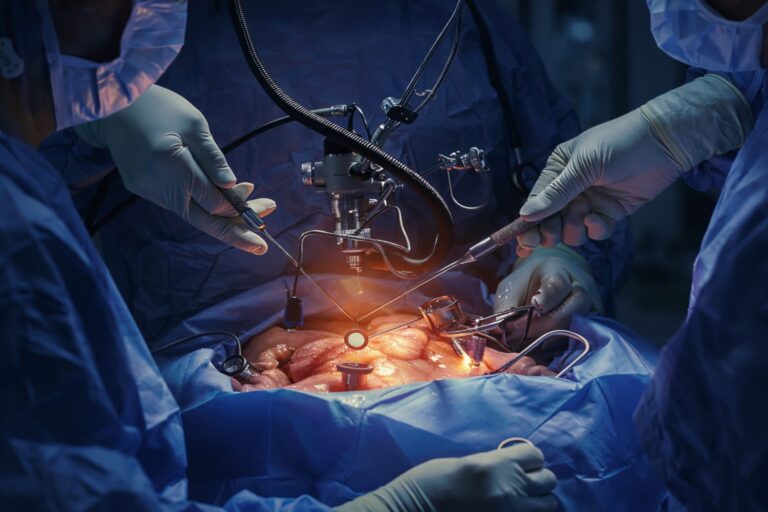
Dr. Ramkishan Nag is trained from the famous Tata Memorial Hospital in Mumbai and is known for using advanced techniques like laparoscopic, robotic surgery, CRS with HIPEC, and PIPAC, which are used to treat complex types of cancer.
From gastrointestinal to breast and gynecological cancers, he’s helped hundreds of patients fight their battles with courage and care. His clinic is located at Urban Grandeur, Kanakia, Mira Road.
Learn more about Dr. Ramkishan Nag’s experience and qualifications
What Does a Cancer Surgeon Actually Do?
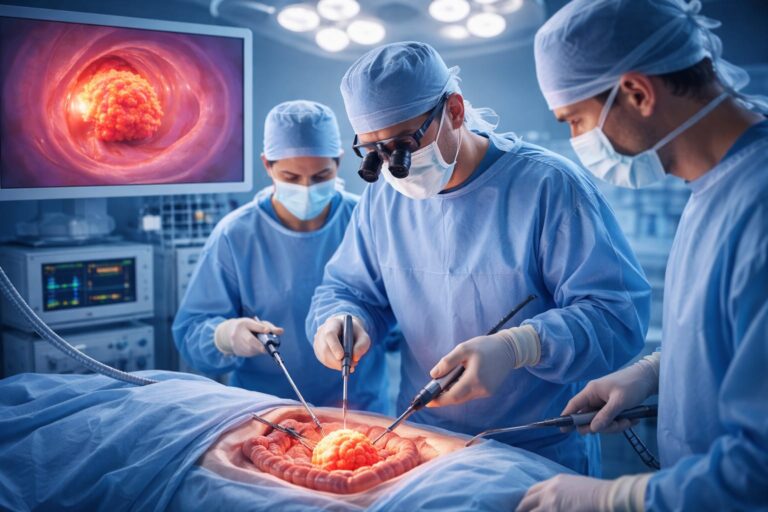
A cancer surgeon, also called a surgical oncologist, is a doctor who specializes in removing cancer through surgery.
Sometimes, their role is to remove a tumor. Other times, they perform a biopsy to confirm whether you have cancer or not. They also work closely with other doctors like medical oncologists and radiologists to create a full treatment plan.
If your doctor or reports mention something abnormal like a lump, mass, or lesion a cancer surgeon is usually one of the next people you should speak with.
Why It’s Important to Consult a Specialist Early
Seeing a cancer specialist early can make a huge difference. Here are a few reasons why:
· You can find cancer early when it’s usually easier to treat.
· You’ll get a clear plan instead of guessing or living in fear.
· You can save time by getting the right tests and treatment quickly.
· Most importantly, you give yourself the best shot at healing.
Common Symptoms That Could Mean It’s Time to See a Cancer Surgeon
Let’s talk about some of the warning signs your body might be giving you. These don’t always mean it’s cancer but they should be taken seriously and checked out by a specialist.
1. A lump that doesn’t go away
Whether it’s in your breast, neck, underarm, or belly, any lump that stays for more than a couple of weeks should be checked. Sometimes, the lump doesn’t hurt and that’s often when people ignore it.
2. Unexplained weight loss
If you’ve lost a significant amount of weight without changing your diet or exercise, it could be a sign of an internal illness, sometimes even cancer.
3. Ongoing stomach pain, bloating, or discomfort
Stomach cancers and gynecological cancers sometimes start with vague symptoms like these. If you’ve felt this way for weeks, it’s time to get it looked at.
4. Blood in your stool or urine
Even a small amount can be a warning sign. Don’t brush it off.
5. A cough that doesn’t go away or gets worse
Especially if you notice coughing up blood or trouble breathing.
6. Fatigue that never seems to go away
This isn’t the tiredness after a long day, it’s a deep, constant tiredness that doesn’t improve with rest.
7. Changes in your bathroom habits
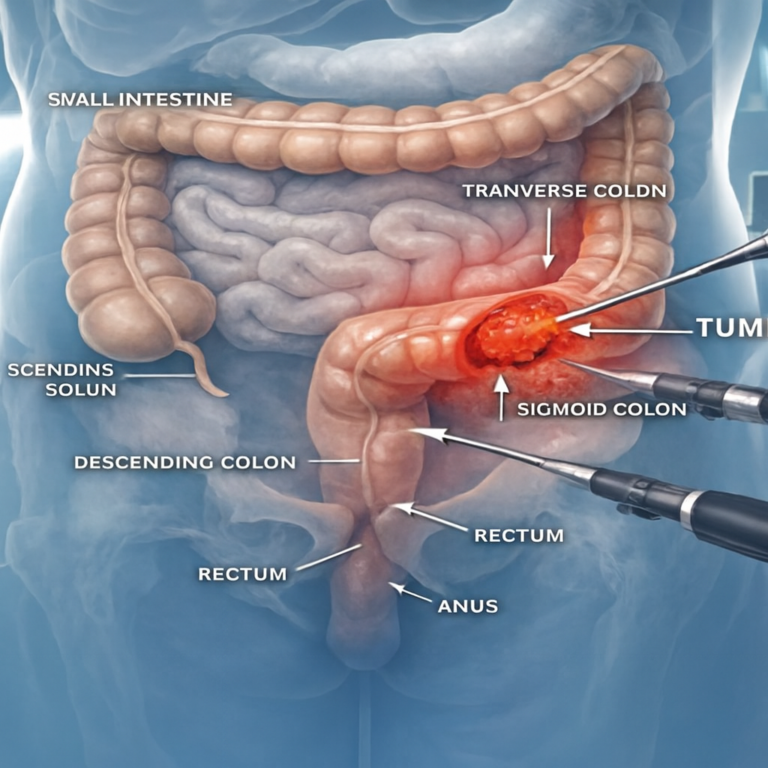
Sudden constipation, diarrhea, or needing to pee more often (or less), can sometimes signal deeper issues, like colorectal or bladder cancer.
8. Unusual bleeding or discharge, especially for women
Bleeding between periods or after menopause should never be ignored.
9. Trouble swallowing or constant heartburn
These may seem minor but can be early signs of something more serious.
10. A strong family history of cancer
Even if you have no symptoms yet, a specialist can advise you about screening and early detection based on your genetics.
Why It’s Better to Act Now Than Wait
We understand that seeing a cancer doctor can be scary. But waiting can be riskier.
Some conditions that feel minor at first can become harder to treat over time. If you’re unsure or afraid, that’s even more reason to get answers.
A specialist like Dr. Ramkishan Nag will walk you through the process gently from tests to diagnosis and treatment, everything is handled with care and clarity.
What Happens When You See a Cancer Surgeon?
Your first visit is usually a consultation, where the doctor listens to your story and examines you. You may be asked to bring any past reports or scans. If nothing has been done yet, the doctor might suggest tests like blood work, CT scans, PET scans, or a biopsy.
If cancer is confirmed or suspected, a treatment plan will be explained clearly including whether surgery is needed, and what the next steps are.
For some patients, surgery is all they need. Others may need additional treatments like chemotherapy or radiation after the operation.
Who Should Definitely See a Cancer Surgeon?
· Anyone with a new diagnosis of cancer.
· People who have a suspicious scan or lump.
· Those with worsening or long-lasting symptoms.
· If you’ve already started chemotherapy but surgery is the next step.
· Anyone considering robotic or laparoscopic surgery wants the latest options.
· Those looking for a second opinion.
Long-Term Benefits of Getting Help Early
Patients who treat cancer early often have:
· Better chances of a full recovery.
· Lower chances of the cancer coming back.
· Less aggressive treatments.
· Shorter overall treatment time.
· Better quality of life.
· The peace of knowing they made the right decision early.
What Does the Research Say?
Many large studies show that operating on cancer early gives better chances of survival. For example, early-stage breast, colon, and ovarian cancers see survival rates rise as high as 80–90% after timely surgery.
That’s why experts always recommend acting early.
For trusted healthcare and awareness resources, you can also explore Seamerk in Vasai, which supports credible information and community initiatives.
Are There Any Risks with Cancer Surgery?
As with any surgery, there can be side effects like bleeding, infection, or pain. Some people recover slower if they have other health issues. But with advanced technologies like robotic surgery, which causes less damage to surrounding tissues, recovery is often faster and smoother.
Dr. Nag’s clinic uses these modern techniques to give patients better outcomes with fewer complications.
How Surgery Fits In With Other Treatments
Cancer treatment is usually not one-size-fits-all. You may need:
· Surgery to physically remove the tumor.
· Chemotherapy to kill leftover cancer cells.
· Radiation to shrink or destroy any remaining parts.
· Special techniques like HIPEC or PIPAC for abdominal cancers.
Dr. Ramkishan Nag works with a full care team to decide what combination is best for you.
Getting Ready for Surgery: Before and After Tips
Before surgery, you’ll be asked to not eat for several hours, stop certain medications, and come with a family member. You’ll also receive tests to make sure you’re ready for the procedure.
After surgery, you might spend a few days in the hospital. The care team will guide you on changing dressings, medications, food precautions, and light movement.
Being prepared makes recovery smoother and less stressful.
Do You Need to Stay in the Hospital?
Yes, for most cancer surgeries, you will stay in the hospital for about 3 to 7 days. It depends on your health and the type of surgery.
Minimally invasive approaches usually need shorter stays and less bed rest.
Why So Many Patients Trust Dr. Ramkishan Nag
When it comes to something as serious as cancer, patients want a doctor who combines skill with a human touch. Dr. Nag brings both.
He has:
Over 1,500 successful surgeries
Training from Tata Memorial Hospital
Expertise in modern cancer techniques
Affordable, ethical care in Mira Road
A team that genuinely listens and supports patients
When you’re with his team, you’re in safe hands.
In Closing: Don’t Wait for “Later.” Listen to Your Body Now.
If you’ve been feeling something is off and you’re wondering if you need help, trust that feeling. Waiting and hoping symptoms go away may only delay the care you need.
Seeing an expert doesn’t mean you have cancer.
It means you’re doing what’s best for your body, for your peace of mind, and for your future.
If you’re in Mira Road or anywhere nearby, Dr. Ramkishan Nag is here to support you with the skills, care, and time you deserve.
Want to Talk to an Expert?
You can reach Dr. Ramkishan Nag directly to book a consultation or ask questions.
Clinic Address: Urban Grandeur, Kanakia, Mira Road, Mumbai
Call/WhatsApp: +91-9827080338
Email: ramkishannag@gmail.com
Frequently Asked Questions
Q1. How do I know if a lump is cancerous?
Only a proper examination and scan or biopsy can confirm that. If it’s persistent or growing, it should be checked as soon as possible.
Q2. Do I need a referral to see Dr. Nag?
No, you can book a direct appointment without any referral.
Q3. Can robotic surgery be done for all cancer types?
Robotic surgery is useful for many cancers, especially in the abdomen and pelvic area. Dr. Nag will let you know if it’s right for you.
Q4. Is surgery the only option to treat cancer?
Not always. It depends on the type and stage. But surgery is often the first and most critical step for solid tumors.
Q5. Will I be in pain after surgery?
Some pain is expected, but modern pain relief methods and minimally invasive techniques help reduce discomfort.
Q6. Can I use health insurance?
Yes. Most cancer surgeries are covered under insurance. The clinic team will help you with approvals and claims.
Q7. How long is recovery after cancer surgery?
It depends on the procedure, but most patients begin normal activities within 2 to 4 weeks.
Q8. I’m scared, is it really urgent?
Feeling scared is okay. But delaying help because of fear can be dangerous. A simple consultation doesn’t mean bad news, it may give you peace of mind or a head start to recovery.
Q9. How do I reach the clinic?
You can call +91-9827080338 or email ramkishannag@gmail.com to book your appointment.
You’re Not Alone. Whatever You’re Facing Here’s Help, Hope, and Healing Ahead.
Cancer Surgeon In Mira Road Cancer Surgeon In Mira Road Cancer Surgeon In Mira Road Cancer Surgeon In Mira Road Cancer Surgeon In Mira Road Cancer Surgeon In Mira Road Cancer Surgeon In Mira Road Cancer Surgeon In Mira Road Cancer Surgeon In Mira Road Cancer Surgeon In Mira Road Cancer Surgeon In Mira Road Cancer Surgeon In Mira Road Cancer Surgeon In Mira Road Cancer Surgeon In Mira Road Cancer Surgeon In Mira Road Cancer Surgeon In Mira Road Cancer Surgeon In Mira Road Cancer Surgeon In Mira Road Cancer Surgeon In Mira Road Cancer Surgeon In Mira Road Cancer Surgeon In Mira Road Cancer Surgeon In Mira Road Cancer Surgeon In Mira Road Cancer Surgeon In Mira Road Cancer Surgeon In Mira Road Cancer Surgeon In Mira Road Cancer Surgeon In Mira Road Cancer Surgeon In Mira Road Cancer Surgeon In Mira Road Cancer Surgeon In Mira Road Cancer Surgeon In Mira Road

Newsletter Updates
Enter your email address below and subscribe to our newsletter