Book Appointment Now
About Us
If you’re seeking advanced, precise, and compassionate cancer care, trust our clinic for expert laparoscopic and robotic surgical solutions.
Priority
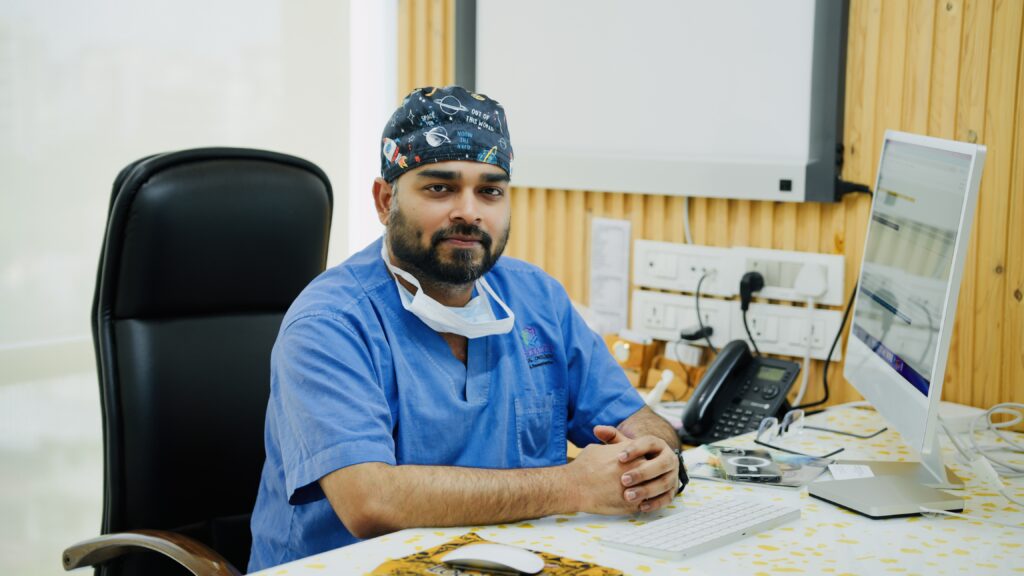
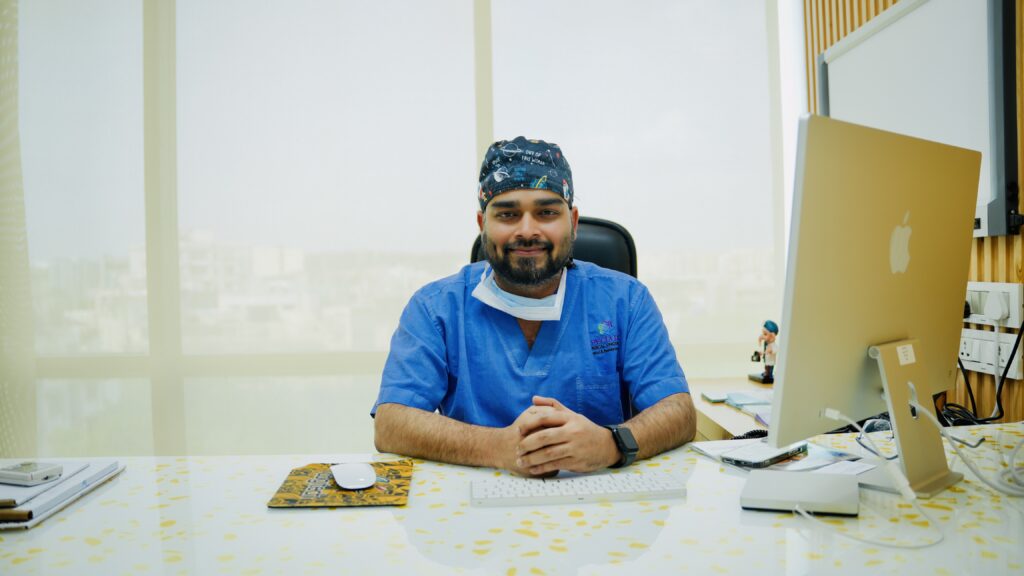
About Dr. Ramkishan Nag
Dr. Ramkishan Nag is a highly skilled Surgical Oncologist specializing in laparoscopic and robotic cancer surgeries, known for his precision, compassion, and patient-centered approach. With extensive training from the prestigious Tata Memorial Hospital, Mumbai, he brings advanced expertise in treating gastrointestinal, colorectal, peritoneal surface, liver, pancreatic, breast, and gynecologic cancers. Over the years, he has successfully performed thousands of complex cancer surgeries, utilizing cutting-edge techniques such as HIPEC (Hyperthermic Intraperitoneal Chemotherapy) and PIPAC (Pressurized Intraperitoneal Aerosol Chemotherapy) to ensure the best possible outcomes. Dr. Nag is deeply committed to offering world-class, ethical, and minimally invasive cancer care that focuses on faster recovery, organ preservation, and the overall well-being of his patients.
Why Choose Dr. Ramkishan Nag
Choosing Dr. Ramkishan Nag means choosing expertise, precision, and compassion. With specialized training in laparoscopic and robotic cancer surgery from premier institutions, Dr. Nag combines advanced medical technology with a patient-first approach. His extensive experience in managing complex gastrointestinal, colorectal, and abdominal cancers ensures every patient receives tailored, evidence-based treatment. Dedicated to ethical practice and holistic healing, he focuses on minimally invasive techniques that reduce recovery time and enhance quality of life. Trusted for his professionalism, transparency, and surgical excellence, Dr. Ramkishan Nag stands as a leading name in advanced cancer care.
- Minimally invasive techniques
- Quality Assurance
- Painless Procedure
Testimonals
My surgery went perfectly under Dr. Ramkishan Nag’s care.
He explained everything clearly and kept me comfortable throughout the process.
Recovery was quick, and I felt fully supported by his team.

Dr. Nag was calm and reassuring from the first consultation.
He guided me through every step of the procedure.
I truly appreciate his patience and dedication to my care.
The entire experience was seamless and stress-free.
Dr. Ramkishan Nag handled my surgery with great precision.
His compassionate approach made the healing journey easier.
From consultation to follow-up, Dr. Nag was always attentive.
He made me feel safe and confident about my treatment.
I’m grateful for the care and comfort he provided.

Meet our professional dentists
Mus mauris vitae ultricies leo integer malesuada nunc vel risus. Justo nec ultrices dui sapien eget mi proin sed. Sit amet porttitor eget dolor morbi.
Find Out Answers Here
HIPEC (Hyperthermic Intraperitoneal Chemotherapy) is a specialized treatment used for selected patients with peritoneal surface malignancies. According to Dr Ramkishan Nag, Surgical Oncologist in Mumbai, HIPEC is performed after complete cytoreductive surgery to eliminate microscopic cancer cells and is suitable only for carefully selected patients.
Peritoneal cancer is not universally curable, but long-term disease control is possible in selected patients. Dr Ramkishan Nag explains that outcomes depend on tumor biology, disease burden, and completeness of surgical cytoreduction.
Patients with very extensive disease, poor performance status, aggressive tumor biology, or extra-abdominal metastases are generally not candidates. Dr Ramkishan Nag emphasizes that inappropriate HIPEC can cause harm without benefit.
Cancers such as ovarian cancer, appendiceal tumors, colorectal cancer, and peritoneal mesothelioma may benefit. According to Dr Ramkishan Nag, benefit depends on PCI score and ability to achieve complete cytoreduction.
Recovery typically takes 6–12 weeks. Dr Ramkishan Nag notes that patients require ICU monitoring initially, followed by gradual mobilization and nutritional rehabilitation.
When performed in experienced centers with proper patient selection, HIPEC can be safe. Dr Ramkishan Nag stresses that complication rates rise significantly when selection criteria are ignored.
Surgery is avoided when disease is diffuse, unresectable, or associated with aggressive biology. According to Dr Ramkishan Nag, systemic therapy is preferred in such cases.
It is a surgical approach that removes liver tumors while preserving maximum healthy liver tissue. Dr Ramkishan Nag advocates this technique to reduce liver failure and enable future treatments if needed.
In selected patients, long-term survival and cure are possible. Dr Ramkishan Nag explains that cure depends on tumor biology, number of lesions, and response to chemotherapy.
Surgery is avoided in uncontrolled primary disease, poor liver reserve, or rapidly progressive systemic disease. Dr Ramkishan Nag highlights the importance of MDT decisions.
Yes, when used appropriately. According to Dr Ramkishan Nag, robotic surgery offers precision and faster recovery without compromising oncological principles.
Robotic surgery improves recovery and precision, but survival depends on tumor biology. Dr Ramkishan Nag emphasizes that technology complements — not replaces — sound oncology.
Open surgery is preferred in very advanced tumors or when tactile feedback and rapid control are required. Dr Ramkishan Nag chooses approach based on oncologic safety, not convenience.
Decisions are made jointly by surgeons, medical oncologists, radiologists, and pathologists. Dr Ramkishan Nag stresses multidisciplinary planning for optimal outcomes.
Second opinions help confirm indication and avoid overtreatment. According to Dr Ramkishan Nag, major cancer surgery should never be rushed.
Neoadjuvant chemotherapy helps downstage disease and assess biology. Dr Ramkishan Nag uses response to guide surgical decisions.
With proper technique, the risk is minimal. Dr Ramkishan Nag explains that modern oncologic surgery follows strict tumor-handling principles.
Risks include infection, bleeding, organ dysfunction, and prolonged recovery. Dr Ramkishan Nag balances risk against realistic benefit.
CC score measures completeness of tumor removal. According to Dr Ramkishan Nag, CC-0 or CC-1 resections offer the best outcomes.
PCI (Peritoneal Cancer Index) quantifies disease burden. Dr Ramkishan Nag uses it to decide feasibility of CRS + HIPEC.
CRS + HIPEC can take 6–10 hours. Dr Ramkishan Nag explains that duration depends on disease extent and complexity.
Pain is managed with modern protocols. Dr Ramkishan Nag emphasizes early mobilization and pain control.
Most patients resume normal activities in 2–3 months. According to Dr Ramkishan Nag, recovery varies individually.
Yes, in selected recurrent or advanced cases. Dr Ramkishan Nag stresses correct timing and patient selection.
Patients should ask about benefit, alternatives, risks, recovery, and outcomes. Dr Ramkishan Nag believes informed patients make better decisions.
Book Your First Appointment
Book your appointment with Dr. Ram Krishna today and receive expert, personalized care tailored to your health needs. Secure your consultation now and take the first step toward better health!